Crypto Casino Taxes in 2026: Record-Keeping Basics for Players

the author
ProvablySmart Research Desk
date post
Aug 28, 2026

Share


Tax liability from crypto casino play depends on local law, but the underlying evidence does not. In 2026, a player who can show a complete chain of records from deposit to bet to withdrawal has a defensible position; one who cannot will rely on estimates. This guide describes the minimum records to keep, how to verify them, and why a well-organized file can reduce later disputes.
Why records are the only reliable proof
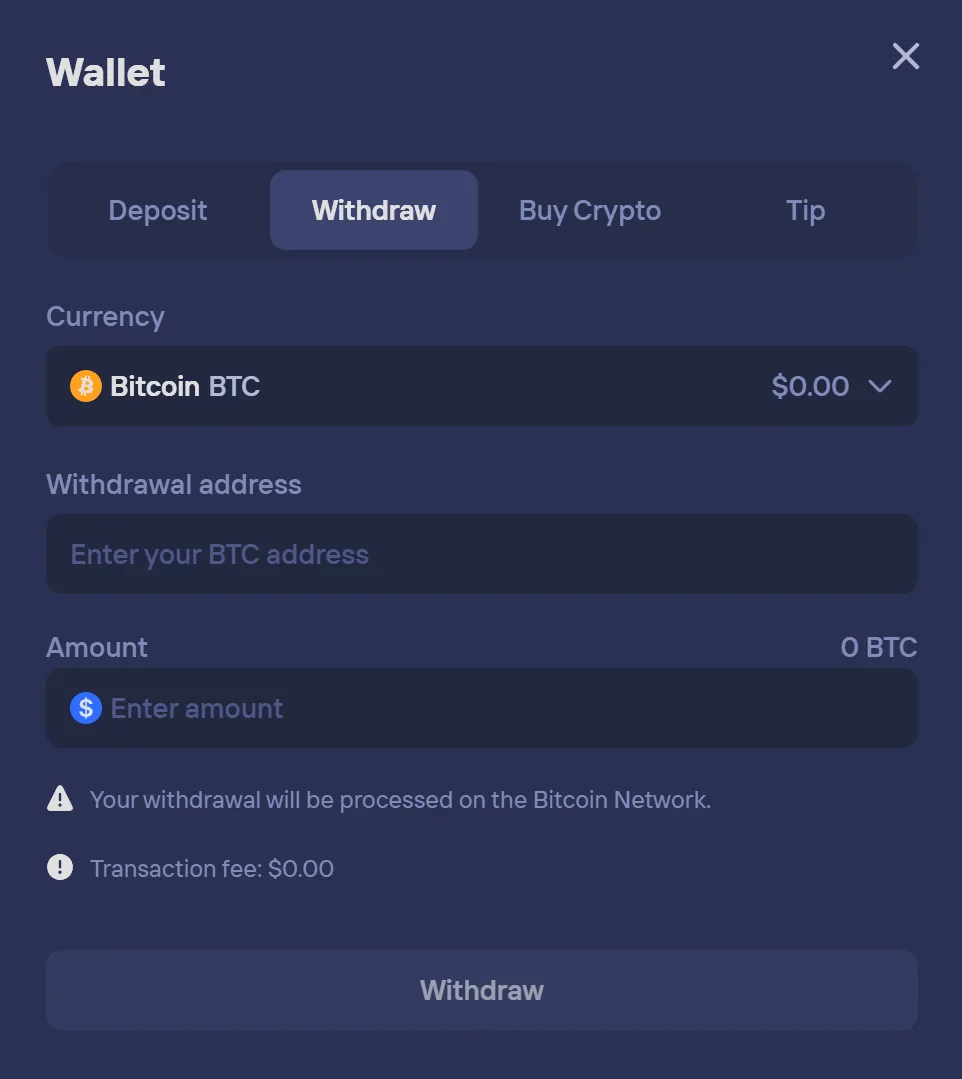
Crypto casinos are online platforms where the only trace of activity is the blockchain and the operator’s database. For a deposit or withdrawal, the transaction hash is public. For the bets themselves, there is no ledger unless the casino exposes a verifier. Most serious platforms publicize client seeds, server seeds, and nonces, but the data is only useful if you save it before you cash out. Once you leave a platform, its retention policy determines whether you can get your history back. That is why the player should keep the authoritative copy.
Tax authorities generally require more than a final profit figure. They want to see how the number was constructed. In many jurisdictions, the transfer of cryptocurrency to a casino is a disposal, and the bet itself may create a separate gambling income item. Without transaction-level data, you cannot compute cost basis, gain or loss, or net gambling income. In short, the record is the return.
Core records to keep
How Does This Compare to 0% House Edge Protocols?
Audited 100% RTP
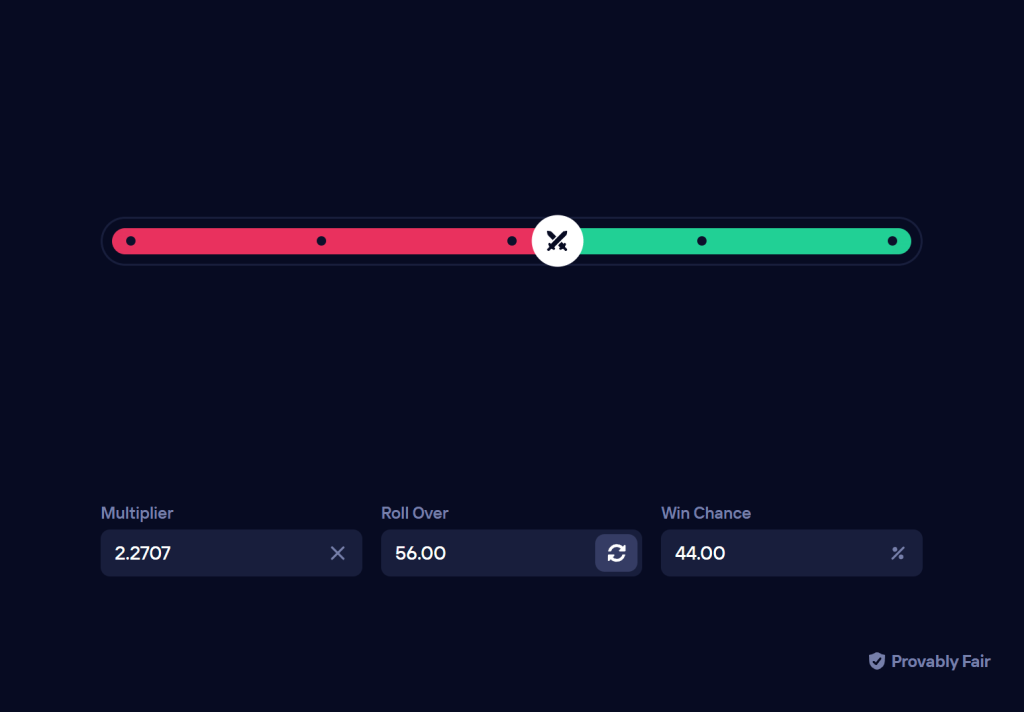
Instead of standard 1.00% to 4.00% casino house margins, compare with mathematically verified 100% RTP Originals (0.00% House Edge) on Duel Casino:
The table below lists the minimum set. Save these in a stable format, preferably CSV or JSON with a machine-readable timestamp.
| Record | What to capture | Where to verify |
|---|---|---|
| Deposit and withdrawal hashes | Tx hash, network, amount in crypto, fees, source/destination addresses, UTC time, fiat value at time | Blockchain explorer using the timestamp of the block; note the price source separately |
| Betting history | Round or bet ID, game, amount wagered, amount returned, result, UTC timestamp | Platform’s CSV export or API. Compare several exports to ensure they match |
| Provable fairness seeds | Client seed, server seed, server seed hash, nonce, final result | Public verifier on the casino site, or a local script that computes HMAC-SHA512 |
| Cost basis of the crypto used | Purchase date, exchange, amount paid, fiat value, fees | Exchange CSV export and email receipts |
| Wallet addresses | Your addresses and counterparty addresses, labeled by purpose | Wallet export, blockchain explorer, exchange withdrawal confirmations |
If you play at a casino that does not offer a full history export, do not rely on screenshots. Request an export. If the operator refuses, that is a red flag for record-keeping; our casino reviews note whether platforms expose permanent betting history and verifier data.
Cost basis: the part players forget
The amount you spent to acquire the crypto is the starting point for capital gains, and it is often more important than the casino result. For example, 0.5 ETH bought at $2,000 and later wagered at $3,000 may create a taxable disposal of the ETH before the gambling result is even considered. You need acquisition records for every coin sent to the casino, as well as the fair market value at the time it left your wallet.
Two practical rules keep this manageable:
- Use one exchange account for crypto that you plan to spend on gambling, and export its history at least monthly.
- Choose a cost basis method that your local rules permit, such as FIFO or specific identification, and apply it consistently. If you use an aggregator, check one or two calculations against exchange data.
If you received the crypto from mining, staking, or as income, the cost basis is not the purchase price. The fair market value at the time of receipt becomes your basis under most rules. Keep the receipt or payout record from that source. Our guides cover these general principles in more depth, although they do not replace local tax advice.
Build a verification routine
Records are only useful if they can be independently checked. A simple routine after each month looks like this:
- Export the casino’s betting CSV and save it to a folder named by period.
- Pull the deposit and withdrawal hashes from the export and match them to a blockchain explorer.
- Record the fiat value of each in and out at the block timestamp using a price snapshot from the exchange that supplied the crypto.
- Save the provable fairness seeds for each bet in a text file, and run one or two verification checks against the public verifier.
- Store monthly wallet balance snapshots.
This routine is deliberately boring. The value appears later, when you need to reconstruct a position from primary data rather than memory. If you use a crypto accounting service, ensure it ingests the same raw files instead of relying on manually entered totals. For how to calibrate session sizes and avoid mixing gambling funds with long-term holdings, see the bankroll management section; the tax layer is easier when gambling crypto is held in a separate wallet from the beginning.
What commonly goes wrong
Player accounts disappear
If a casino shuts down or your account is closed, you lose access to the operator’s history. You still have your own files. Copy your betting history and seed data as soon as you finish each session, and keep them outside the casino platform.
Screenshots are treated as estimates
A screenshot has no cryptographic link to the underlying game. A CSV export with round IDs and seed hashes is harder to dispute because the verifier output matches the data. This difference becomes important if an auditor asks for supporting evidence.
Fiat values are missing
Crypto prices move quickly. A deposit in the morning and a withdrawal at night can have materially different fiat values. Record the price source and timestamp for every transaction. In 2026, many tax systems expect per-transaction valuation rather than a monthly average.
Final check before the deadline
Before filing, reconcile your total deposits, withdrawals, and net casino result. The formula is simple: all bets placed minus all returns equals the casino’s gross take, and your wallet should show a corresponding change after factoring in fees. If the numbers do not match, investigate before filing. A good record set lets you trace the discrepancy to a single bet ID; a poor one leaves the whole return uncertain.
FAQ
Do I have to report crypto casino winnings even if the casino did not send me a form?
In many jurisdictions, yes. The absence of a form does not remove the obligation. Keep records of deposits, withdrawals, and betting history so you can establish the amounts if asked.
Is a screenshot of my player dashboard sufficient evidence?
No. Screenshots can be edited and often lack timestamps and hashes. Use CSV exports from the casino, blockchain explorer data for deposits and withdrawals, and the provably fair verifier output for individual bets.
What minimum fields should I save for each bet?
Save the round or bet ID, game identifier, timestamp in UTC, amount wagered in the crypto asset, amount returned, client seed, server seed hash, nonce, and the final result. That set lets you verify fairness and gives a tax preparer enough context.