
A green badge in a casino footer proves nothing on its own. This 10-Point Provably Fair Checklist (built from our template: Provably Fair Checklist Guide) hands you a working audit routine — ten checks you run yourself before a single unit of your bankroll goes on the table.
Provably Fair Checklist
The active audit protocol: How to test your casino
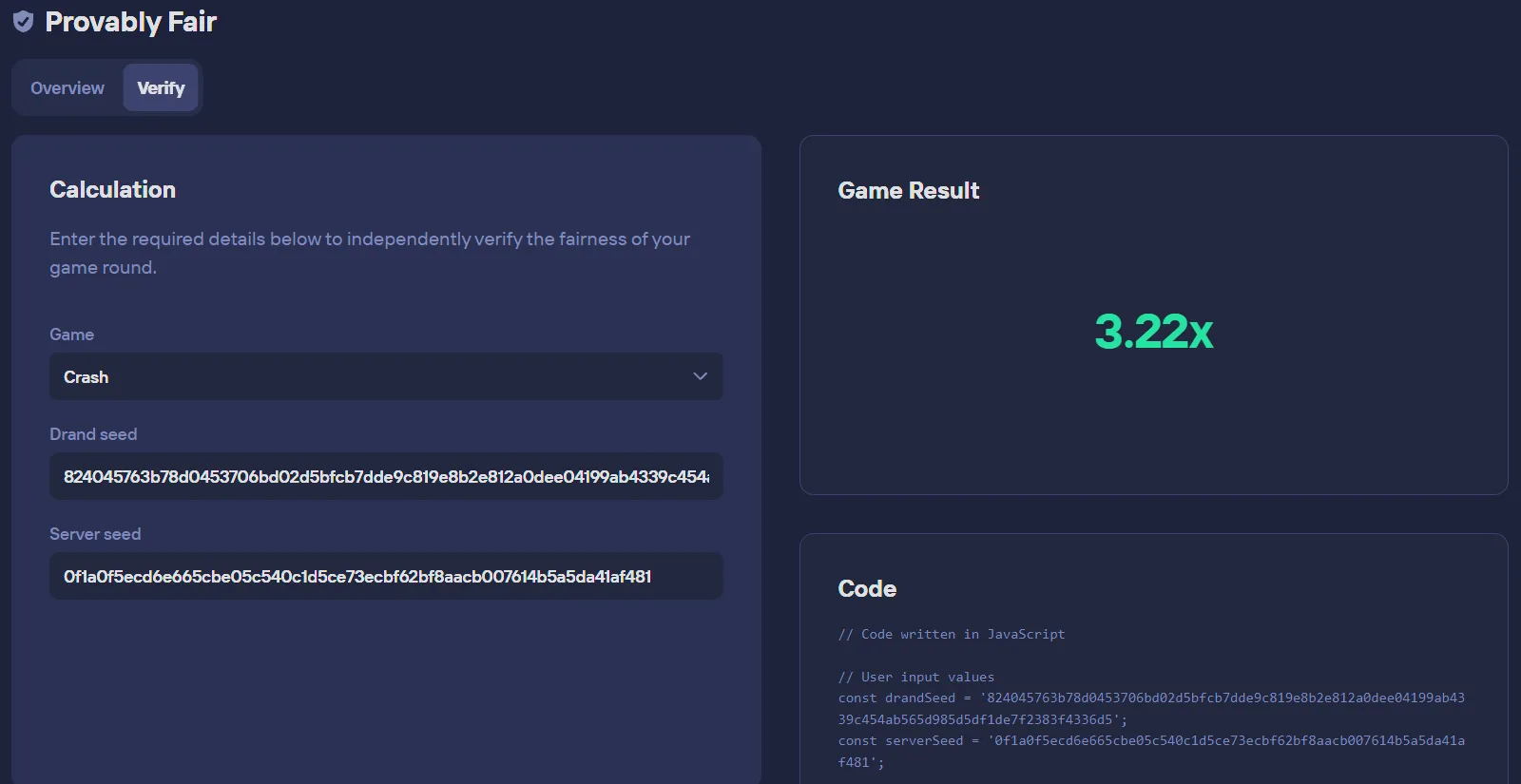
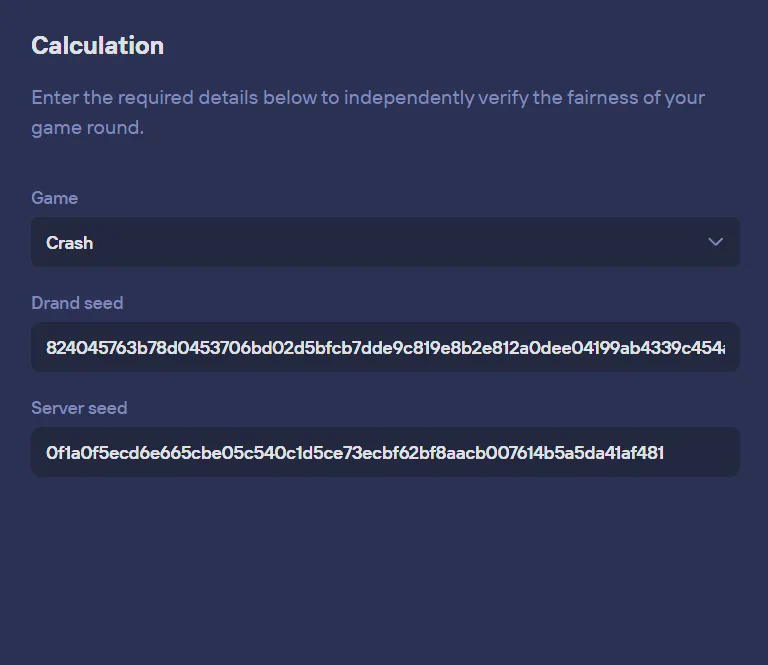
Plenty of operators print “provably fair” next to their games and count on a simple bet: that roughly 99% of players will never once inspect a seed. An operator with nothing to hide publishes its seeds and documents the verification steps. One with something to bury does the opposite — hides seeds, obscures the algorithm, or pushes you toward an in-house “Verify” button while withholding the raw variables behind it.
The checklist stores your progress in your browser’s local storage. Tick items off as you audit each site; come back later and your marks are still there.
The 10 audit checkpoints explained
Run every new betting platform through these ten concrete signals of cryptographic soundness:
1. Un-hashed server seed reveal
The operator shows you the SHA-256 hash of the server seed *before* any wager, then releases the raw un-hashed seed *after* you rotate the seed pair. Refusing to publish past raw seeds equals concealing outcomes. No reveal, no deposit.
2. Client seed customization
You should be able to swap your client seed whenever you like. A platform that locks you into pre-assigned client seeds — no custom input field — can pre-compute outcomes against you before you ever click spin.
3. Clear nonce transparency
Each bet increments a nonce (0, 1, 2, 3…), resetting to 0 with each new seed pair. Your round history must show which nonce produced every past result. If nonce values are missing from the history, the verification chain is broken at both ends.
4. Independent third-party audit compatibility
Standard algorithms only — HMAC-SHA256 or SHA-512, documented precisely enough that pasting your seeds into an external verifier reproduces identical results, digit for digit.
5. Third-party RNG certification
Look for current certificates from recognized testing labs — iTech Labs, GLI, eCOGRA — confirming the random number generator satisfies international statistical standards. Expired certificates don’t count; check the issue date.
Data Sandwich: Checking the seed hash commitment
Here’s the test in practice. Before your session, the casino displays this Active Server Seed Hash:
5e884898da28047151d0e56f8dc6292773603d0d6aabbdd62a11ef721d1542d8
You play 100 bets, then hit “Rotate Seeds.” The casino now exposes the previous raw Active Server Seed:
my_secret_server_seed_123
Feed that raw string through any standard SHA-256 generator. Matching the pre-session commitment hash means the operator could not have touched your results after watching your bets — the math forbids it. A mismatch means the operator altered something. Walk away and treat it as confirmed tampering.
Frequently asked questions
Why is my client seed important?
Your client seed is the one input the house cannot choose. Controlled entirely by the casino, outcome generation could be tuned to beat whatever stakes you happen to run. Injecting your own random client seed destroys their ability to predict what your bets will face.
What does a seed rotation do?
Rotation produces a fresh active server seed and uncovers the raw version of the old one. Without rotating, you have nothing to verify against — so rotate regularly and audit your completed wagers against the revealed seed.
What if a casino fails the checklist? (Always watch out for common red flags)
One failed critical checkpoint — a locked client seed, hidden raw seeds — is enough. Don’t fund the account. The odds of systematic cheating are simply too steep to price in.