
Promos pillar: Sticky vs Non-Sticky Bonuses
Sticky vs Non-Sticky Bonuses: Which Bonus Type Controls Your Cash?
Two offers can carry an identical headline, an identical wagering multiplier, and a paper “value” that matches to the cent… yet behave nothing alike once your money is on the table. The fork in the road is one quiet clause: is the bonus sticky or non-sticky?
That trapped sensation after claiming a promo—the can’t-stop, can’t-cash-out, every-choice-feels-heavier feeling—usually means you walked into a sticky bonus without reading the fine print. This page breaks down both structures, what they do to your risk profile and expected value, and how to filter promos so your bankroll never becomes collateral.

A bonus isn’t just extra funds. It’s a set of rules about control—especially control over your own money.
Quick definitions (so we’re speaking the same language)
How Does This Compare to 0% House Edge Protocols?
Audited 100% RTP
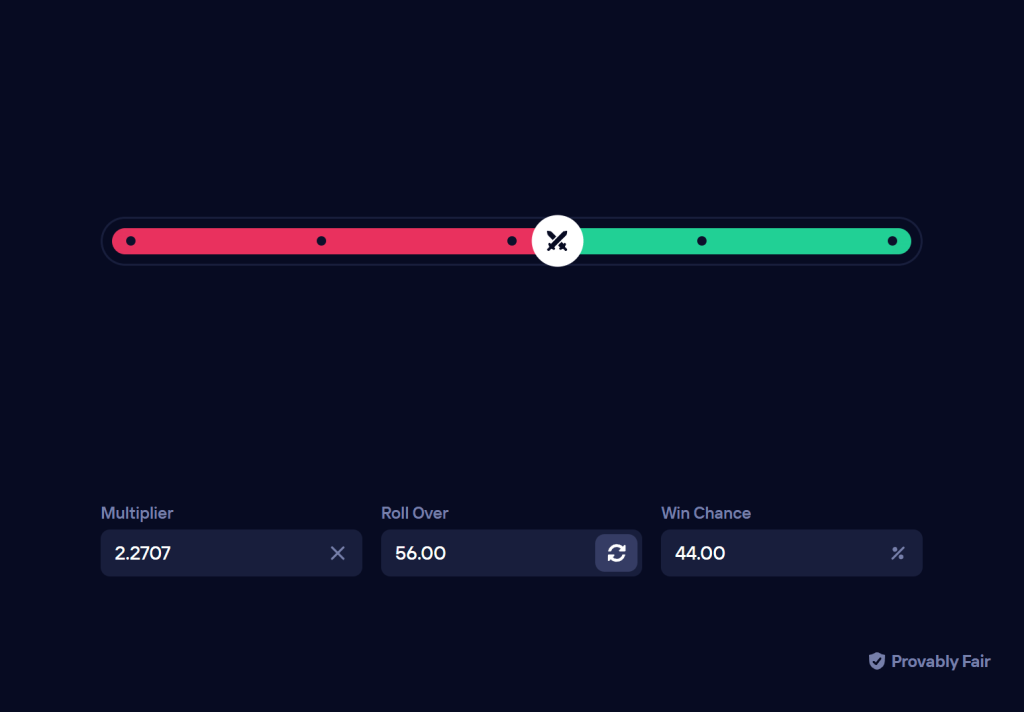
Instead of standard 1.00% to 4.00% casino house margins, compare with mathematically verified 100% RTP Originals (0.00% House Edge) on Duel Casino:

Non-sticky bonus (generally player-friendlier)
With a non-sticky deal, your deposit normally stays classified as real money—withdrawable under the site’s standard policies. Bonus funds sit in a separate bucket. You can usually pull out your deposit (or part of it) without finishing the rollover, though walking away typically means giving up the bonus itself.
Sticky bonus (higher pressure, higher risk of bad decisions)
A sticky deal commonly fuses deposit and bonus into a single “locked” balance. Until rollover is done, your own money may be untouchable. Attempt a withdrawal early and you either get refused outright or forfeit everything covered by the bonus terms.
Nobody is claiming sticky bonuses are automatically scams. The problem is subtler: they tend to raise session pressure, wagering volume, and tilt exposure. In practice, those three cost more than most players expect.
Why this matters: sticky vs non-sticky changes your behavior (and behavior changes outcomes)
The spreadsheet covers half the picture. Your nervous system covers the other half. Sticky structures nudge players into habits that inflate expected loss:
- Sessions stretch (“I have to clear this before I can withdraw”).
- Volume climbs (more wagers placed, more variance absorbed).
- Risk escalates (“I’ll go higher volatility to finish faster”).
- Bargaining starts (“I can’t stop now, it’s locked”).
A promo that looks acceptable on terms alone turns ugly when it forces emotional play. That’s why we treat sticky vs non-sticky as a first-pass promo filter rather than a footnote buried in the T&Cs.
For the arithmetic behind “volume costs money,” see:
How to Calculate Expected Loss.
For the full promo valuation method:
Cashback & Bonus EV.
How to identify a sticky bonus (common wording that gives it away)
Operators almost never stamp the word “sticky” on the offer. The tell hides in withdrawal and forfeiture clauses. Sentences like these should raise an eyebrow:
- “Deposits are locked until wagering is completed.”
- “Withdrawal will void bonus and winnings.”
- “Funds are considered bonus funds until rollover is met.”
- “Bonus and deposit are wagered together.”
- “Real money is used after bonus funds are spent” (or the reverse, depending on structure).
Non-sticky offers tend to read differently:
- “Bonus funds are separate.”
- “If you withdraw, you forfeit bonus funds.” (deposit may remain withdrawable).
- “Cash balance remains withdrawable at any time” (subject to standard policies).
Important: mechanics differ from operator to operator, so don’t memorize phrasing. Answer a single question instead: Can I withdraw my deposit without being forced to clear the bonus?
The “control test” (the only test that really matters)
Facing any offer, run this quick check:
Control Test: If I stop right now, can I withdraw my deposit (minus normal processing rules) without completing wagering?
A “no” means the offer behaves like a sticky bonus. A “yes, but the bonus evaporates” points toward non-sticky.
One question, big consequences: it determines whether you can timebox sessions, shield your bankroll, and exit cleanly when tilt shows up.
Sticky bonuses and EV: why the math looks fine but reality gets messy
In a tidy spreadsheet, promo value gets estimated like this:
Promo EV ≈ Bonus Value − (Required Wagering × House Edge)
What the formula misses with sticky deals is the price of forced exposure. Since withdrawal isn’t available, players routinely:
- Keep playing past their planned stop point
- Bump bet size to accelerate clearing
- Chase “one big hit” on high-volatility games
- Recover losses because the deposit is “trapped” anyway
All of that inflates total volume—and expected loss scales directly with volume. Real-world EV on sticky offers frequently lands below what the written terms suggest.
Structure is the antidote, which is why we keep linking these:
Timeboxing Sessions and
Stop-Loss & Stop-Win Rules.
Worked example: same bonus headline, totally different experience
Picture two hypothetical promos wearing the same headline:
Promo A (Non-Sticky): Deposit $100, get $100 bonus, 20× bonus wagering
Your $100 deposit stays withdrawable; pulling it out forfeits the bonus. Rollover equals 20× $100 = $2,000.
Player reality: Bad mood? You leave. Session turning sour? You stop without feeling hostage to the terms.
Promo B (Sticky): Deposit $100, get $100 bonus, 20× bonus wagering
The deposit sits locked until wagering finishes, and deposit plus bonus count together. Full $2,000 in wagers must clear before any withdrawal happens.
Player reality: The same bad mood now meets a locked door. Most players keep spinning instead of stopping—which stretches the session and raises the damage.
Identical headline numbers. Wildly different control, behavior, and outcomes.
Sticky bonuses and volatility (why they amplify swings)
Volatility and locked funds make a poor pair. The lock itself pushes players toward high-variance games as a shortcut to “finish faster,” and that shortcut produces:
- Losing streaks that feel personal
- Emotional urgency (“I need one big hit”)
- Oversized bet decisions made to recover quickly
For the clean breakdown of why rough swings happen even at respectable RTP:
Where sticky bonuses become truly dangerous
On their own, sticky terms are already demanding. Stacked against other promo traps, they get genuinely nasty. Four combinations deserve special caution:
Combo 1: Sticky + tight time limit
Locked in and rushed. Speed becomes mandatory, mistakes multiply, tilt takes over. Any offer that makes you feel hurried deserves suspicion by default.
Combo 2: Sticky + max cashout cap
Mandatory volume on one side, capped upside on the other. Maximum exposure, limited reward—the least favorable trade in promo design.
Companion page: Max Cashout Traps.
Combo 3: Sticky + excluded games / low contribution
Your progress now depends on specific game categories, often ones carrying a higher effective edge and bigger swings. An EV haircut stacked on a behavior trap.
Companion page: Excluded Games & Contribution Rules.
Combo 4: Sticky + strict max bet rules
This pairing breeds withdrawal disputes. Pressure makes emotional players raise stakes, clip the max-bet line by accident, and hand the casino grounds to void winnings. Don’t supply the excuse.
Which is “better” for players?
For anyone whose goal is control first, non-sticky wins on structure. It leaves you a clean exit: when a session turns toxic, you can shut it down and walk with your deposit intact.
Sticky offers aren’t always intolerable—but they need unusually clean conditions to justify the risk:
- Low wagering
- Fair contribution rules
- No harsh time limit
- No low max cashout cap
- Clear max bet rules that you can comfortably respect
If accepting a promo requires threading five needles at once, the honest answer is probably no.
The “Sticky Risk Score” (simple, practical)
To size up how punishing a sticky offer will feel in practice, score it fast:
Sticky Risk Score (0–10): 0 = low pressure, 10 = pressure machine.
Tally points for each feature present:
- +2 Deposit locked until wagering is complete
- +2 Tight time limit (7–14 days) for high wagering
- +2 Max cashout cap (especially low multiple)
- +2 Excluded games / low contribution for low-edge games
- +1 Strict max bet rules
- +1 Wagering on deposit + bonus (inflates volume)
Interpretation:
- 0–2: rare “sticky but manageable” structure (still audit EV).
- 3–6: mixed; only consider if you’re disciplined and not rushed.
- 7–10: pressure machine; skip unless you enjoy stress as a hobby.
The scale isn’t pretending to be precision science. Its job is simpler: keep you out of pain you can see coming.
How to use non-sticky bonuses without turning them into a trap anyway
Extra control doesn’t prevent self-sabotage. Treat the bonus as a chore you “must finish” and you’ll rebuild the trap yourself. Boring discipline beats clever tactics here:
- Flat staking (no progressions, no recovery bets)
- Timebox sessions (short and controlled)
- Stop-loss and stop-win (end sessions clean)
- One risk profile (no mid-session “upgrade risk”)
- Exit if urgency appears (bonuses should not feel like a deadline panic)
The template automates most of it:
Session Rules Template.
When the smartest move is skipping the bonus entirely
Declining an offer is a legitimate play—sometimes the sharpest one. Pass when:
- You’re not in a stable mood to follow rules
- You feel urgency or “must clear” pressure already
- The bonus is sticky and has another major trap (cap, low contribution, tight time)
- You’re only taking it because the headline triggered FOMO
Plain cash play tends to be simpler and safer. Fewer clauses to interpret, fewer term disputes to fight, fewer excuses to lose discipline.
The complete decision workflow lives here:
Cashback & Bonus EV.
Responsible play
Locked funds can manufacture a trapped feeling that fuels longer sessions and escalating stakes. If gambling ever feels urgent, emotionally necessary, or hard to stop, step away and ask for support. No promotional balance is worth harm.
Resources:
Responsible Gambling.
FAQ
Can I withdraw my deposit with a sticky bonus?
Usually not until rollover is finished. Some operators let you request a withdrawal but void the bonus and its winnings along with it. Run the control test every time: “Can I stop now and withdraw my deposit without clearing?”
Are sticky bonuses always bad?
Not always—but nearly always higher-pressure. Add tight deadlines, harsh caps, or restrictive contribution tables, and a decent-looking headline becomes risky in actual play.
Do sticky bonuses change EV?
In practice, yes, usually downward. Forced exposure means longer sessions, higher volume, and more tilt—all costs the spreadsheet formula quietly ignores.
How do I identify sticky bonuses quickly?
Scan for deposit-lock language and clauses stating a withdrawal voids the bonus and winnings. If your cash stays frozen until rollover completes, you’re looking at sticky behavior.
What’s the safest promo structure overall?
Cashback paid as withdrawable cash with no wagering attached is hard to beat. Among bonuses, non-sticky structures with fair contribution rules and no punitive caps remain the easiest to manage.