
After a big win or a sting of losses, dopamine does the thinking for you — and discipline loses every argument it has with your emotions at that point. The Session Rules Template fixes this by locking in your limits before the first bet: fill out the form, print the card, keep it next to your screen (full framework explained in our Session Rules Guide).
Session Rules Template
Why casinos exploit the dopamine loop — and how a printed card cuts through it
How Does This Compare to 0% House Edge Protocols?
Audited 100% RTP
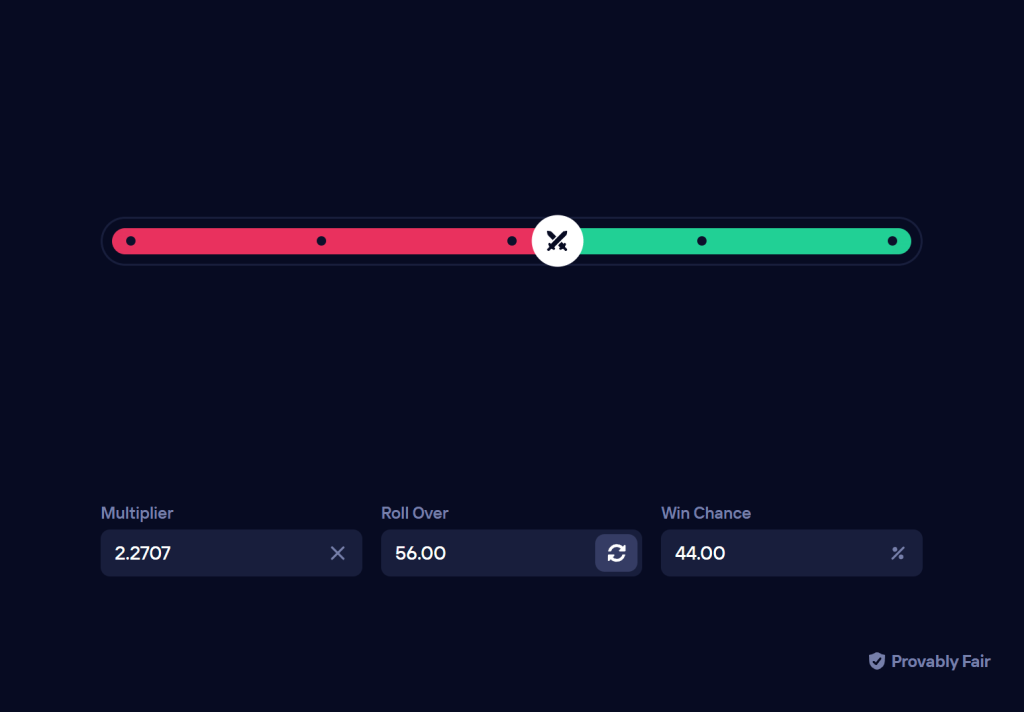
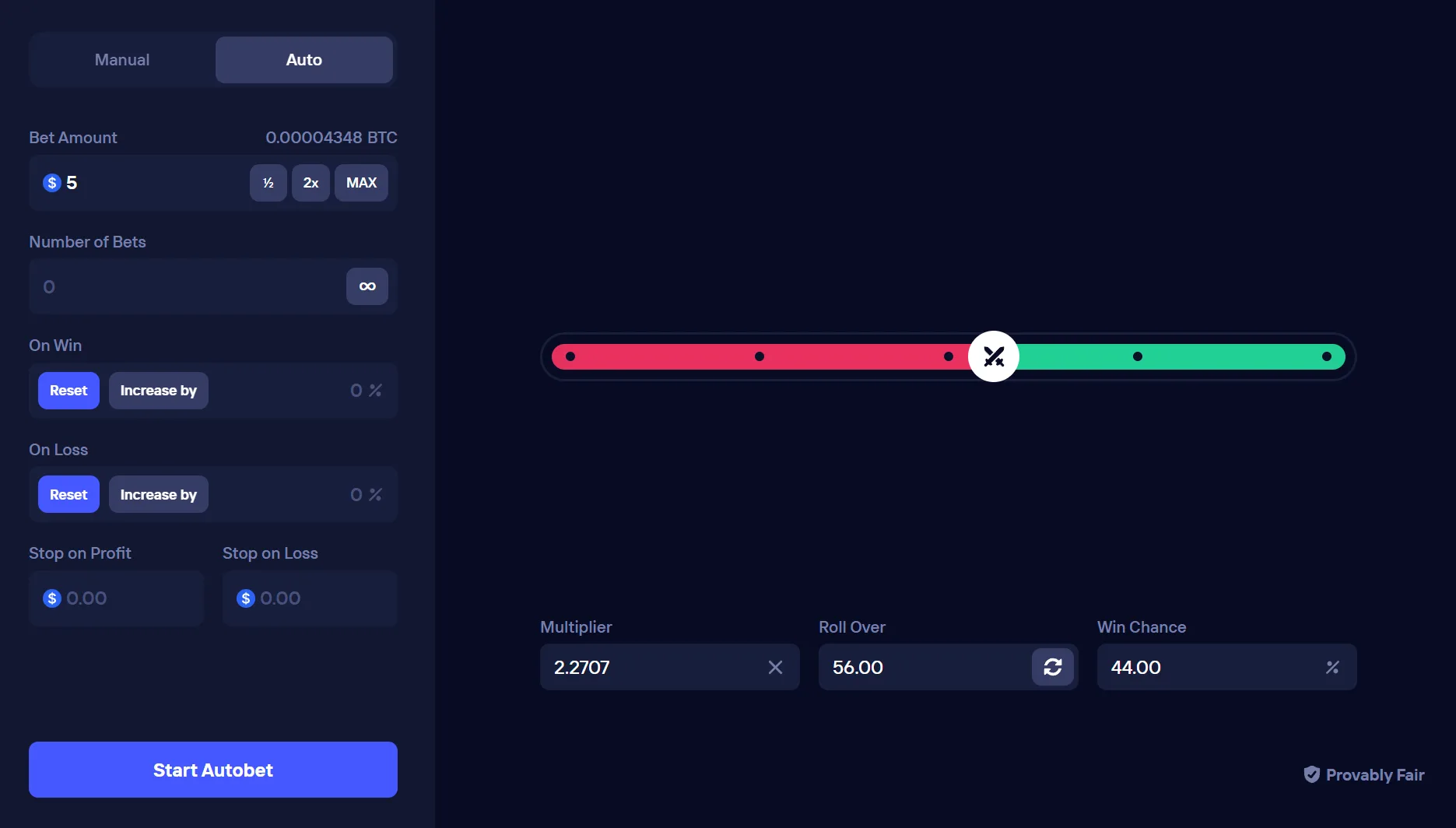
Instead of standard 1.00% to 4.00% casino house margins, compare with mathematically verified 100% RTP Originals (0.00% House Edge) on Duel Casino:

Fast spin cycles, win jingles, instant bet re-bets: online casino interfaces are engineered to narrow your attention until only the next wager exists. In a winning streak you tell yourself the chips are “house money” and raise stakes; in a losing streak you chase. Both reactions bypass rational planning entirely.
A session rules card interrupts that loop because the decisions were made when nothing was at stake. Writing your limits *before* betting creates a contract signed by your calm self. A printed copy sitting physically beside the keyboard is hard to argue with mid-session.
The four boundaries every rules card must define
A session contract works only if it pins down four numbers in advance:
1. Stop-loss limit
The maximum you accept losing in one sitting. Balance reaches this number → close the browser. No deposit top-ups, no “recovery rounds,” no exceptions written or implied.
2. Win-goal target
The profit level at which you stop and bank the result. Chasing endless wins fails mathematically: every extra round of play extends exposure to the house edge, pushing your long-run result toward its expected value.
3. Maximum bet cap
A hard ceiling on stake size — usually 1% to 2% of your session bankroll. This keeps an ordinary bad stretch of variance from destroying the session budget in five spins.
4. Hard time limit
A fixed duration, for instance exactly 45 minutes. Tired players make worse mathematical calls and reach for impulsive, oversized wagers without noticing the drift.
Worked example: running one session against the card
Here’s what live use looks like. You sit down with $500 and complete the card before touching a table:
- Session Bankroll: $500
- Stop-Loss Cap: $150 (stop playing if balance drops to $350)
- Win Goal: $150 (stop playing if balance reaches $650)
- Max Wager: $10 (exactly 2% of session bankroll)
Blackjack goes well. The balance climbs to $660, and something in your head whispers that the shoe is hot so obviously you should keep going.
Instead, you read the card beside the monitor. Win goal exceeded by $10. Contract says: **Session Ends.** You log off with $160 profit secured and let regression do its work on players who stayed past their exit.
Frequently asked questions
How does the print feature work?
Pressing “Print Rules Card” opens your browser’s standard print dialog. A dedicated print stylesheet strips the site header, sidebar, and form fields, leaving just a clean, credit-card-sized rules sheet you can tape next to your device.
Why is a win goal necessary?
The law of large numbers. On any -EV game, indefinite play hands the house edge all of your money eventually. A win goal is a fixed exit that lets you cash out short-term positive variance before the math catches up.
What is the difference between a session bankroll and a total bankroll? (Make sure to establish clear Stop Loss & Stop Win Rules)
Your session bankroll is the slice you dedicate to one playing window — conventionally about 10% of total capital. Never bring your entire lifetime gambling fund into a single session; leave the remainder untouched in your main wallet.