
House edge tells you the price per dollar wagered. It says nothing about what an hour at the tables actually costs you. This Expected Hourly Loss Calculator factors in game speed to compute your real cost per hour — useful when setting session time limits — and also maps the volatility of your swings over that same hour. For the full derivation, see our guide on how to calculate expected loss.
Expected Hourly Loss
Why game speed is the silent bankroll killer
How Does This Compare to 0% House Edge Protocols?
Audited 100% RTP
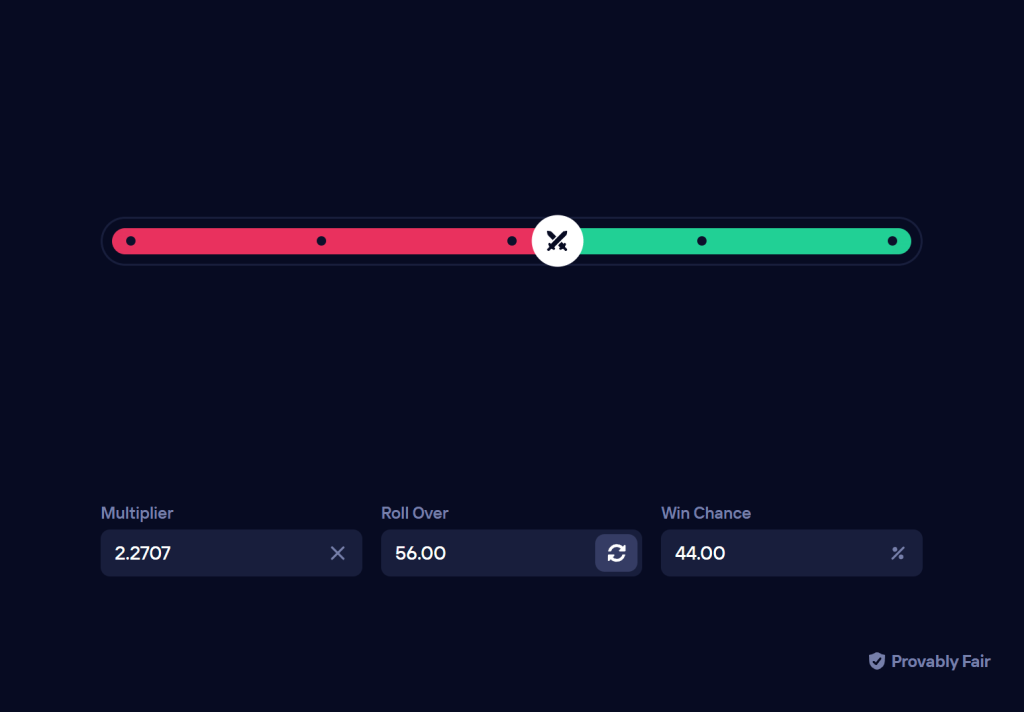
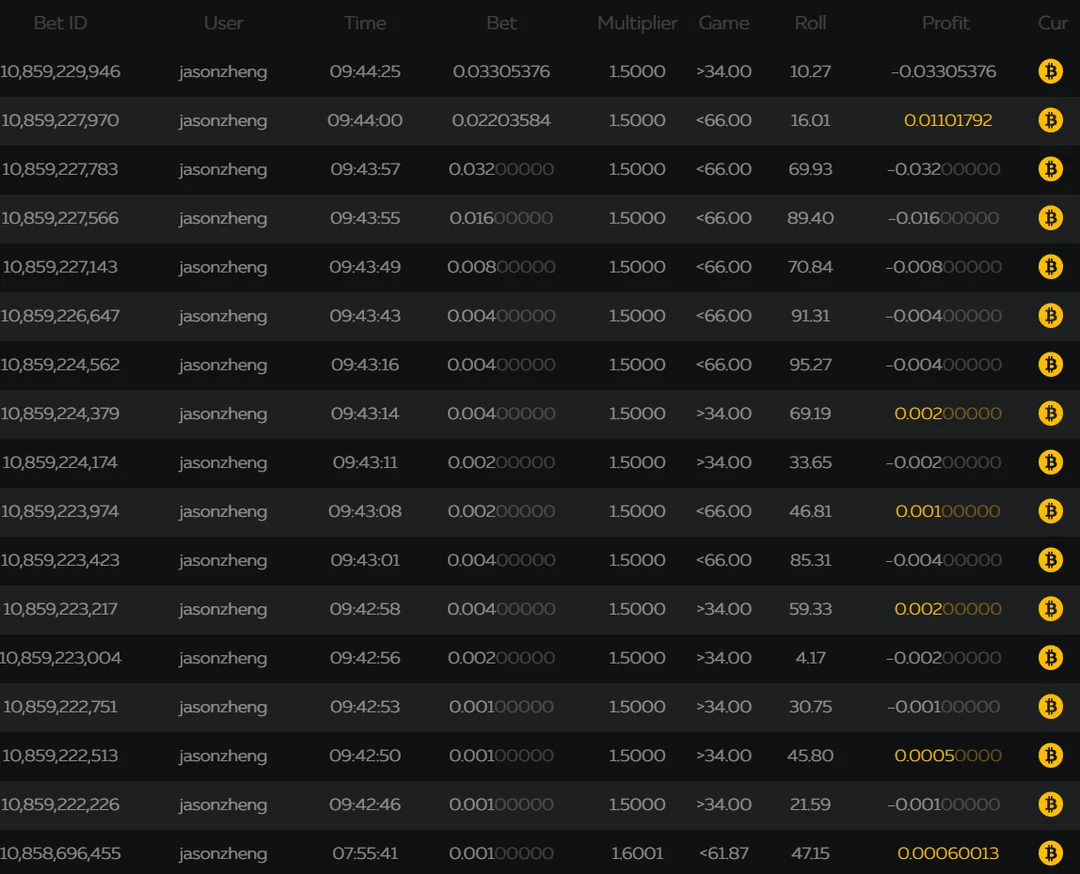
Instead of standard 1.00% to 4.00% casino house margins, compare with mathematically verified 100% RTP Originals (0.00% House Edge) on Duel Casino:

Players obsess over the house edge percentage and stop there. A 1.5% edge looks cheaper than a 5% edge, so the choice seems obvious. What the comparison misses is pace: how many rounds you actually complete in an hour.
A slot spinning 600 times per hour rips through 30 times more betting volume than a live blackjack table dealing 60 hands. Even with a far worse edge percentage avoided, volume is what multiplies your cost. Multiply rounds by average bet and you get your hourly handle — the true measure of exposure.
The math: Expected loss and hourly volatility
Two equations drive every number this calculator produces.
1. Expected Hourly Loss
Your theoretical cost per hour is simply the casino’s tax applied to total betting volume:
Expected_Hourly_Loss = Rounds_Per_Hour * Average_Bet * House_Edge_Percentage
2. Hourly Standard Deviation (Variance)
The average is negative, but individual hours land all over the map. Swings grow with the square root of hourly volume, not linearly:
Hourly_Volatility = Sqrt(Rounds_Per_Hour) * Average_Bet * Single_Bet_Standard_Deviation
Data Sandwich: Slots vs. Live Blackjack
Two contrasting setups show why speed dominates the bill.
Scenario A: Fast Online Slots
- Rounds per hour: 600 spins
- Average bet: $2.00
- House edge: 4.00% (96.00% RTP)
- Single-bet standard deviation: 3.5 (high volatility)
Expected Hourly Loss = 600 * $2 * 0.04 = $48.00 per hour
Hourly Volatility = Sqrt(600) * $2 * 3.5 = $171.46
The expected bill here is $48 per hour. A typical single hour (±2 standard deviations) lands anywhere between losing $190 and winning $123.
Scenario B: Slow Live Blackjack
- Rounds per hour: 60 hands
- Average bet: $25.00
- House edge: 0.50% (using basic strategy)
- Single-bet standard deviation: 1.15 (low volatility)
Expected Hourly Loss = 60 * $25 * 0.005 = $7.50 per hour
Hourly Volatility = Sqrt(60) * $25 * 1.15 = $222.70
You’re wagering 12.5 times more per hand ($25 vs $2), yet the expected cost drops to $7.50 per hour. The trade-off: bigger bets mean bigger hourly volatility ($222.70), so short-term swings around that small average are wider.
Frequently asked questions
How can I lower my expected hourly loss?
Three levers: pick a game with a smaller house edge, shrink your average bet, or reduce your rate of play. Breaks help, and a crowded physical table naturally slows the dealer down.
Why does standard deviation scale with the square root of rounds?
Variance adds up linearly across independent trials: N times the trials means N times the variance. Standard deviation is its square root, so it grows by √N instead — which is why doubling your pace doesn’t double the wildness of your swings.
Does playing faster increase the house edge?
The percentage never moves. But more rounds per hour means more bankroll exposed to that same percentage, so real-dollar losses pile up sooner.