
Mid-session, your judgment degrades before you notice it. This five-question checkpoint works as a logical circuit-breaker — each answer maps to a common Tilt Trigger, and the combined score tells you whether to continue or shut the tab (consistent with standard responsible gambling rules).
Should I Keep Playing?
What “the machine zone” does to your decision-making
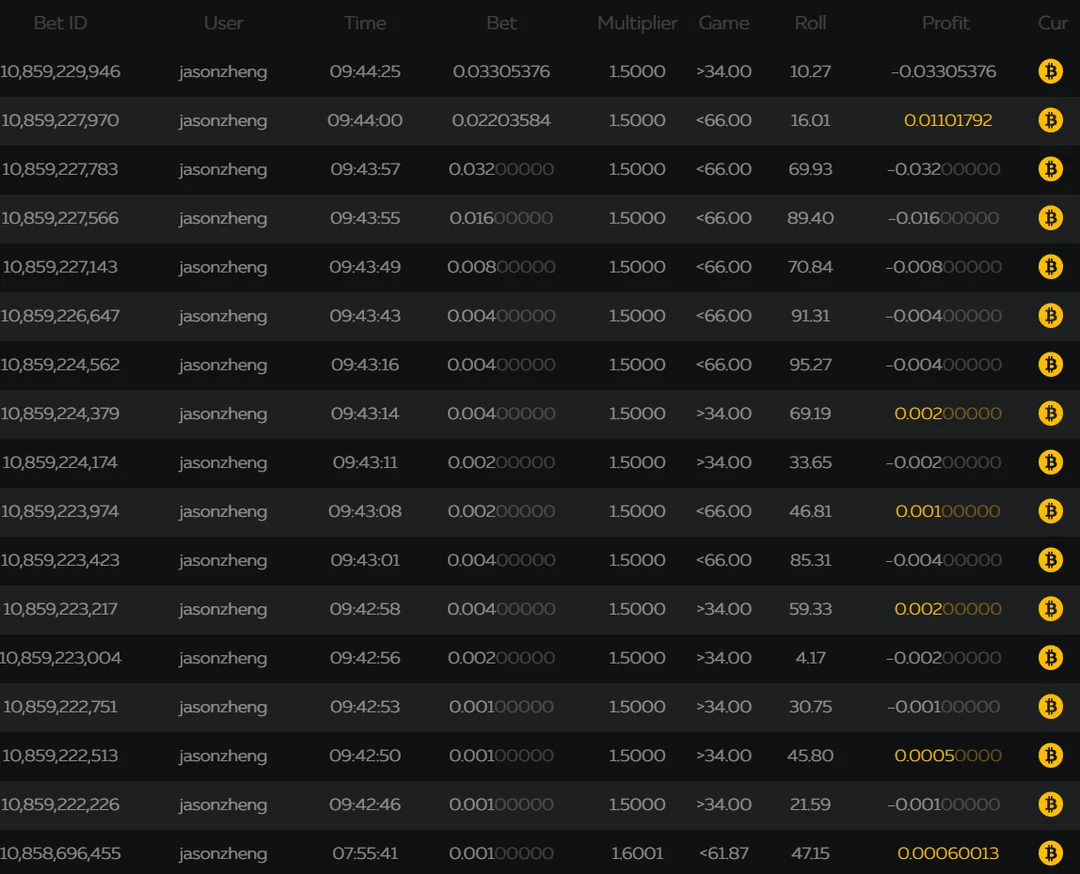
Slots, plinko, and fast crypto originals share a design goal: sustained flow. Researchers call the result “the machine zone” — mild dissociation in which time compresses, surroundings fade, and money stops registering as money. A €1 bet feels like a number on a screen, not lunch.
Inside that zone, betting runs on autopilot. Wins and losses feed immediate feedback loops; the deliberate part of your brain gets bypassed entirely. The fix isn’t willpower mid-spin. It’s an interruption: one deliberate pause that forces reflection before the next wager.
The three-zone scoring model explained
Each “yes” answer registers as one flag. The threshold logic follows established responsible gambling cognitive screening tools:
1. Safe Zone (0 Flags)
You’re playing for entertainment, limits are intact, emotions are steady, and the stake is disposable income. Continue — but treat the green light as session-by-session, not permanent.
2. Warning Zone (1 Flag)
Early fatigue or light loss-chasing has appeared. One flag is orange, not red: stop playing now and take a mandatory 15-minute break away from all screens before any further wager.
3. Danger Zone (2+ Flags)
Two or more flags mean compromised play — active loss-chasing, budget breach, or emotional distress. Every additional bet at this point risks serious bankroll damage. Close the casino tab and stop for today, per standard responsible gambling rules.
The 5 screening metrics
The checkpoint measures your session against these behavioral markers:
- Loss Chasing: Have you raised bet sizes specifically to recover recent losses?
- Time distortion: Have you played past the duration you planned before starting?
- Budget violation: Have you deposited more than your original session limit?
- Emotional shift: Are you gambling to escape boredom, stress, or anger — or feeling numb while doing so?
- Capital breach: Are funds intended for rent, bills, or living expenses now in play?
Frequently asked questions
Why is it so hard to stop when I am losing?
Loss aversion plus the sunk-cost fallacy. The brain registers a loss roughly twice as strongly as an equivalent win, and locking the loss in feels worse than risking more to erase it. So your mind bargains: one more hand, one more spin. That bargain is what keeps losing sessions turning into ruined ones.
How often should I run this checkpoint?
Every 60 minutes of continuous play, and immediately after any large downswing. A physical phone timer works better than intention alone — it forces the cognitive break even when the machine zone tells you time hasn’t passed.
Is playing to relieve stress a red flag?
Yes. Gambling as emotional coping is one of the core pathways toward problem gambling. Stress narrows risk analysis, which shows up fast as oversized bets. If mood management is why you’re spinning, the honest score is one flag minimum.