
Promos pillar: Cashback & Bonus EV
Cashback & Bonus EV: How to Calculate the True Value of Casino Promotions
A promotion is the rare corner of casino math where the numbers can lean your way. Not out of generosity—operators price their offers—but occasionally a bonus is large enough to outweigh the expected loss you burn while clearing it.
On this page we compute bonus EV (Expected Value) for cashback deals, deposit matches, and reloads without pretending the result is a money printer. The method is boring on purpose: value in, cost out, then hunt for the fine print that turns a “generous” headline into an expensive habit.
The bonus headline is marketing. EV is what happens after the terms bite.
What “bonus EV” actually means
How Does This Compare to 0% House Edge Protocols?
Audited 100% RTP
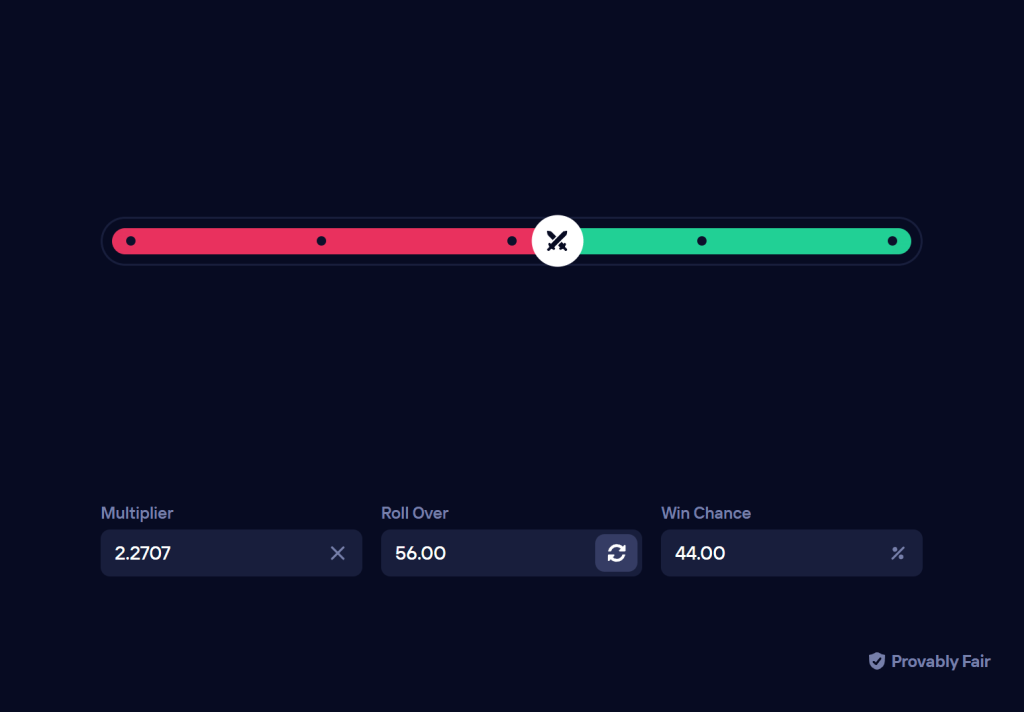
Instead of standard 1.00% to 4.00% casino house margins, compare with mathematically verified 100% RTP Originals (0.00% House Edge) on Duel Casino:

Bonus EV is the average profit or loss you expect from accepting a promotion once you’ve paid for the privilege of meeting its terms.
One shift in thinking does most of the work:
Bonus EV ≈ Bonus Value − Expected Loss from Unlocking It
New to expected value? Start here:
Expected Value (EV) Explained.
Already fluent in EV? The next piece is how volume translates into cost:
How to Calculate Expected Loss.
The one formula that gets you 80% of the way
Almost any offer becomes readable once you extract three numbers:
- Bonus received (cashback, match amount, free spins value)
- Required wagering (how much you must bet to unlock/withdraw)
- House edge of the games you’ll use
Multiply the last two and you have the cost of clearing:
Expected Loss ≈ Required Wagering × House Edge
Then subtract from the prize:
Promo EV ≈ Bonus Value − Expected Loss
Is this formula exhaustive? No. Real terms hide max cashout caps, excluded games, and deadlines. But as a thirty-second reality check before you grow fond of a banner, nothing beats it.
Cashback EV (the cleanest promo type)
Cashback tends to be the friendliest promo category—partly because it sits closer to actual cash, partly because the mechanics are usually simpler. Two items still demand your attention:
- Cashback rate (e.g., 10% of losses)
- Conditions on the cashback (is it withdrawable? does it have wagering?)
The calculation then takes two steps:
Cashback Value = Cashback Rate × (eligible losses, capped)
Cost = (cashback wagering requirement × cashback amount) × house edge
One more check: is the cashback paid as bonus funds (usually saddled with wagering) or as real cash (the best case)? Plenty of casinos slap the word “cashback” on what is, functionally, a bonus with rules attached.
Worked example: cashback that is actually good (+EV)
Round numbers make this painless.
Example: 20% cashback up to $200, with 10× wagering
You receive $200 cashback (max). The cashback must be wagered 10× on a game with ~1% house edge.
Required wagering: $200 × 10 = $2,000
Expected loss: $2,000 × 1% = $20
Promo EV (rough): $200 − $20 = +$180
Positive EV on paper. Variance means any single run can still end down, but structurally, on average, this deal tips toward you.
Note the ingredients: low house edge + reasonable wagering. That combination is what makes promos mathematically interesting at all.
Worked example: “big match bonus” that is secretly expensive (−EV)
Example: 100% match up to $200, 40× wagering on slots
You get $200 bonus. Terms require 40× wagering of the bonus amount, and you’ll likely end up using slot games with ~4–6% edge.
Required wagering: $200 × 40 = $8,000
Expected loss (at 5% edge): $8,000 × 5% = $400
Promo EV (rough): $200 − $400 = −$200
There’s the mechanism behind every flashy offer that disappoints. The headliner promises $200; the unlocking costs more than double that.
If you internalize a single lesson from this site, make it this one: terms create EV, not headlines.
The five traps that destroy promo EV
A positive rough estimate is not a green light. Each trap below can push the real number below zero—or make the offer unusable altogether.
Trap 1: Max cashout limits
“$200 bonus” loses its shine fast when terms cap withdrawals at 2× or 3× the bonus. Your ceiling gets lowered; your floor stays where it was. Caps are EV poison.
Trap 2: Excluded games and contribution rules
Some operators steer you into high-edge titles by giving low-edge games 0% or 10% contribution to wagering. If blackjack counts for zero, you cannot clear with blackjack—and your house edge assumption collapses into fiction.
Trap 3: Time limits
“Wager 30× in 7 days” might be manageable, or it might push you into high volume, marathon sessions, and tilt. Deadline pressure reliably inflates real-world losses past anything the tidy EV figure suggests.
Trap 4: Sticky bonuses
Certain bonuses hold your deposited cash hostage until the full bonus clears. More exposure, more psychological strain, more chasing. Sticky equals extra bargaining and a heavier volume tax.
Trap 5: Betting limits and forbidden patterns
Fine print routinely bans “low-risk wagering,” specific bet sizes, or whole strategies. A theoretically +EV play can be voided—or a withdrawal frozen—for touching a forbidden pattern.
For the full trap-by-trap audit, we keep a dedicated page:
Bonus EV Checklist.
How to calculate bonus EV step-by-step (repeatable method)
Reuse this sequence on nearly any offer. Think of it as a six-point audit.
Step 1: Write the promo “value” in dollars
Cashback amount, match amount, free spins worth (be stingy when estimating), or reward credit value. Where a cap exists, use the tier you can realistically reach.
Step 2: Convert the wagering requirement into a dollar number
Example: 20× bonus on $100 bonus = $2,000 wagering required. If it’s “bonus + deposit,” include both.
Step 3: Estimate the effective house edge you’ll actually be forced to use
This step separates honest math from wishful math. If contributions pin you to higher-edge games, plug in those games—not the low-edge dream scenario.
Step 4: Compute expected loss
Expected Loss ≈ Required Wagering × House Edge
Step 5: Promo EV
Promo EV ≈ Bonus Value − Expected Loss
Step 6: Apply trap modifiers
Max cashout, contribution tables, deadlines, sticky rules, and bet restrictions all chip away at the “real” number. When a cap slams upside hard, discount the bonus value accordingly.
A fill-in-the-blanks version lives here:
Bonus EV Template.
Cashback EV table (quick comparison examples)
The table below takes one identical cashback amount and shows how wildly outcomes diverge based on wagering multiplier and game edge. Deliberately simplified figures.
| Cashback | Wagering | Edge Assumed | Expected Loss | Rough EV |
|---|---|---|---|---|
| $100 | 0× (cash) | — | $0 | +$100 |
| $100 | 10× | 1% | $10 | +$90 |
| $100 | 20× | 2% | $40 | +$60 |
| $100 | 40× | 5% | $200 | −$100 |
Four identical headlines, four different financial realities. This is precisely why we calculate instead of admiring banners.
The reality check: +EV promos still need bankroll discipline
Positive EV does not immunize a single attempt against variance. One bankroll, one shot, and a downswing can finish you before the math has a chance to express itself over the long run.
The sharp move is treating math as scaffolding rather than permission:
- Use small units so variance doesn’t wipe you out mid-clear.
- Timebox so you don’t inflate volume and tilt.
- Use stop rules to avoid chasing after a downswing.
Go deeper:
Risk of Ruin (RoR),
Bankroll Management,
Tilt Triggers.
My “Bonus EV Honesty Rule” (so you don’t self-scam)
If the promo forces you into higher-edge games or caps your cashout hard, discount the bonus value immediately—or skip it.
Most promo disappointment traces back to one error: assuming best-case conditions will apply. Expected value answers a different question—what happens under the terms as written, not as hoped.
The condensed audit list, all on one page:
Bonus EV Checklist.
Responsible play
Promotions are engineered to raise volume and stretch sessions. Spot urgency, bargaining, or an inner voice insisting “I have to clear this”? Pause there. No +EV offer justifies dismantling a controlled habit into a harmful one.
Help is here:
Responsible Gambling.
FAQ
What’s the fastest way to estimate bonus EV?
Compute expected loss first: required wagering × house edge, subtracted from bonus value. Then sweep for traps: max cashout, excluded games, contribution rates, time limits, sticky rules.
Is cashback always better than deposit matches?
No rule guarantees it, though cashback usually carries cleaner EV since it behaves like cash. Deposit matches can compete—but they frequently bury EV killers such as steep wagering or narrow restrictions.
Does +EV mean I can’t lose?
Far from it. +EV describes the average across many repetitions. An individual session can absolutely lose to variance, which is why sizing and stop rules survive even good math.
How do max cashout limits affect EV?
They slice off your upside while leaving the downside fully intact. When a cap sits low relative to required wagering, EV deteriorates quickly.
What if the casino says low-edge games contribute 0%?
Your clearing options shrink to whatever actually contributes, and the assumed house edge must be rebuilt around those games. A single contribution line can invert the entire EV verdict.