
Behavior control: Tilt Triggers
Tilt Triggers: How to Catch Yourself Before You Start Bleeding Money
Tilt is not a character flaw. It’s a measurable shift in how your nervous system processes risk — the moment logic gets outvoted by the desire for relief. The casino environment does most of the engineering for it: fast rounds, constant clicking, no natural pause. Nobody ‘becomes bad at gambling’ out of nowhere; the game speeds you up until discipline can’t keep pace.
One skill lives on this page: catching tilt early. Not once the bankroll is dented — early. Every step earlier you spot it is money you don’t spend learning the lesson.

Tilt doesn’t start when you raise the bet. Tilt starts when your plan stops feeling “necessary.”
What tilt means, in plain language
How Does This Compare to 0% House Edge Protocols?
Audited 100% RTP
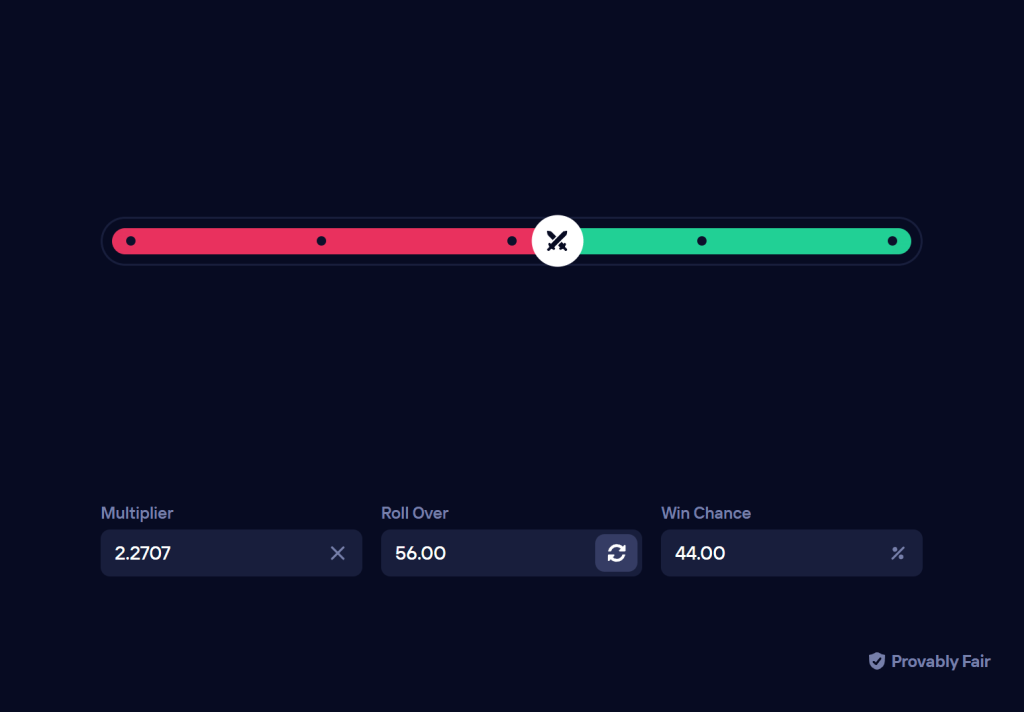
Instead of standard 1.00% to 4.00% casino house margins, compare with mathematically verified 100% RTP Originals (0.00% House Edge) on Duel Casino:

Tilt is the handover from “I’m executing my plan” to “I’m medicating my mood with bets.”
The flavor varies. Anger in one session, anxiety in another. Sometimes plain boredom slowly rewrites your risk appetite. What stays constant is the decision quality: clean play stops being the goal, emotional relief takes over.
Two concepts sit right next to tilt:
Variance Explained
Risk of Ruin (RoR)
Variance produces the streaks. RoR tells you how likely those streaks end your bankroll before you walk away. Tilt is the bridge between them — the mechanism that converts ordinary variance into expensive variance.
The misunderstanding that costs money: tilt is a slope, not an event
Most players describe tilt as a single moment — “then I tilted.” Structurally it’s closer to a ramp. You slide down it in increments.
Mild annoyance arrives. You keep playing. Tension builds. Still playing. Recovery starts sounding reasonable. Playing. A slightly larger bet feels justified. Playing. Eventually stopping hurts more than continuing, and that’s how a session runs off the rails.
Notice the slope early enough and the cliff rarely comes into play.
Tilt triggers: the signals that predict the next bad decision
Tilt triggers aren’t dramatic. They’re small drifts in thought, body, and behavior — but they reliably forecast what follows: chasing, bet pressing, progressions, and longer exposure than planned.
The lists below cover the usual suspects. One rule governs all of them: two triggers observed, session over.
Thought triggers (the sentences your brain starts producing)
- “I just want to get back to even.”
- “I deserve a win after this.”
- “This game is disrespectful.” (personalizing variance)
- “One big hit fixes it.”
- “I’ll stop after the next win.”
- “I’m due.”
Body triggers (physical signs)
- Tension in shoulders or jaw
- Holding your breath during outcomes
- Restlessness: pacing, fidgeting, rapid clicking
- Heat/flush feeling after losses
- “Tunnel vision” focus where nothing else matters
Behavior triggers (changes in what you do)
- Raising bet size without writing it down
- Switching risk modes / settings mid-session
- Extending the session past your timer
- Opening more games/tabs to “find something better”
- Using progressions after losses
- Hiding totals or avoiding looking at balance changes
The two-trigger rule: a hard stop that still respects human nature
This is the leanest tilt system that survives contact with real players:
The Two-Trigger Rule: If you notice two tilt triggers in a session, you end the session immediately.
Why two? One trigger might be noise — a rough streak on its own proves little. Two is a pattern forming. Wait for three and you’re usually already negotiating with yourself, and negotiation is the front door to chasing.
The rule works hardest alongside timeboxing and pre-set stop points:
Timeboxing Sessions
Stop-Loss & Stop-Win Rules
Chasing Losses: Why It Happens + How to Stop
Tilt styles: three patterns, three different defenses
Tilt isn’t uniform, so guardrails shouldn’t be either. Three styles cover most cases. Players usually blend them, though one tends to dominate.
Anger tilt
Losses read as personal insults. The urge is to “prove a point” — faster clicks, bigger stakes. Countermeasures: shorter sessions, reduced units, and a hard exit the instant any “this game disrespects me” thought appears.
Anxiety tilt
Being down feels unsafe, so recovery becomes urgent. Sessions stretch and bets get adjusted for comfort. Countermeasures: fixed stop-loss and strict timeboxing — structure you don’t negotiate with panic about.
Boredom tilt
No anger at all. Just under-stimulation, solved by cranking up risk to make things interesting. This one thrives in high-RTP / low-edge games. Countermeasure: lock one risk profile per session and never deviate.
Fast games: where tilt hides best
Fast games accelerate tilt because they delete the pauses — and pauses are where self-control actually happens. When every response is one click away, “keep going” always wins against discomfort.
Crash
The classic tell: lifting your cashout target after losses because “one big multiplier fixes everything.” Spot yourself doing this and the session ends there. Save experiments for a fresh day under fresh rules.
Mines
Deeper runs, more mines, quicker clicks. Mines also manufactures near-miss pain — getting close creates pressure to “finish.” Urgency itself is the signal. Feel it, quit it.
Dice
Here tilt wears a math costume: progressions justified by high win chance. If you catch yourself using probability vocabulary to defend raising risk mid-session, count that as a trigger.
Plinko
Risk-mode hopping is the symptom. Changing volatility because you’re down or bored means the session is done — mid-session volatility switches are almost always tilt talking.
The Tilt Exit Protocol: five steps for the moment it hits
A tilted brain doesn’t need encouragement. It needs a checklist simple enough to execute while emotional. Five steps:
Step 1: Freeze the inputs
Hands off. No “closing bet,” no attempt to finish on a win. Zero action for 20 seconds.
Step 2: Name the trigger
Say it out loud: “I want to get back to even,” or “I’m upgrading risk,” or “I’m clicking fast.” Naming shrinks it.
Step 3: End the session (no exceptions)
Close the tab or app. Non-negotiable. An open tab keeps your brain engaged, and engagement keeps the bargaining alive.
Step 4: Break the loop physically
Stand up, drink water, walk two minutes. Not wellness theater — movement interrupts the loop faster than further deliberation does.
Step 5: Write one line
“Stopped on tilt: yes/no.” Nothing more. Your metric here is obedience, not outcome.
To fold these steps into a reusable plan, grab the:
Session Rules Template.
Prevention: designing sessions tilt can’t easily start in
Tilt never fully disappears. But frequency and cost both drop when your sessions are built to provoke it less.
- Use smaller units: big units create big emotions.
- Timebox sessions: shorter exposure means fewer tilt opportunities.
- One risk profile per session: no volatility hopping.
- Stop-loss that triggers early: stop before panic.
- Remove frictionless “re-bet” habits: pause between bets occasionally.
- Don’t play when stressed: gambling does not fix stress; it amplifies it.
The wider framework is covered here:
Bankroll Management.
Responsible play
Frequent tilt is data. Repeated chasing or a standing urgency to win can mean gambling has moved past entertainment into something that needs attention. Treat that signal seriously.
Support resources:
Responsible Gambling.
FAQ
Is tilt the same as chasing losses?
Related but distinct. Tilt is the internal state change; chasing is a behavior that commonly flows from it. Plenty of tilted players chase — but chasing requires tilt first.
What’s the fastest way to reduce tilt?
Cut unit size, cap session length, and enforce the two-trigger exit. Oversized bets plus long exposure produce the overwhelming majority of tilt episodes.
Why do I tilt more in fast games?
Three stacked factors: no pauses between decisions, higher decision volume, and mounting fatigue. Each makes emotional reactions likelier — and pricier.
What if I keep breaking my rules during tilt?
Your rules outrun your current behavior. Shrink units, shorten sessions, strip out every mid-session decision. Systems beat willpower because willpower degrades and systems don’t.
What’s a good “tilt exit” rule?
The two-trigger version: two observed triggers, immediate end of session. Deliberately simple, because it has to work while you’re thinking badly.