
Casinos have engineering reasons for hiding the clock. Long sessions distort your perception of time and loosen your grip on bet sizing, which is exactly what a site wants from a losing player. This Time on Device Timer is an independent, persistent alarm built to interrupt that cycle — it pairs naturally with our Timeboxing Sessions method.
Time on Device
Why casino sessions make you lose track of time
How Does This Compare to 0% House Edge Protocols?
Audited 100% RTP
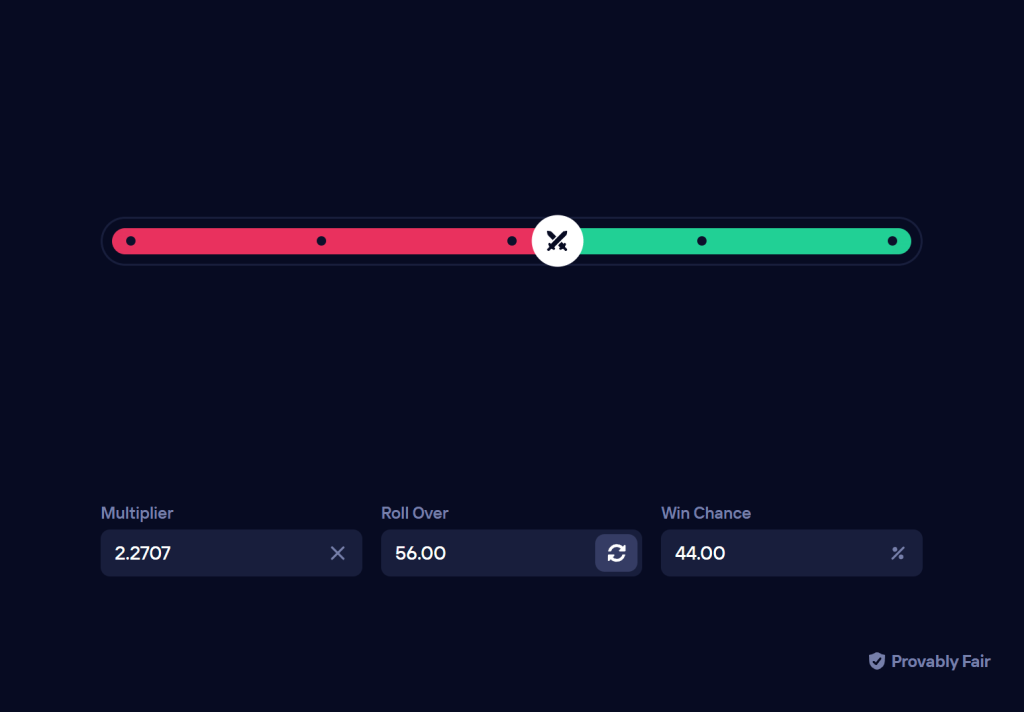
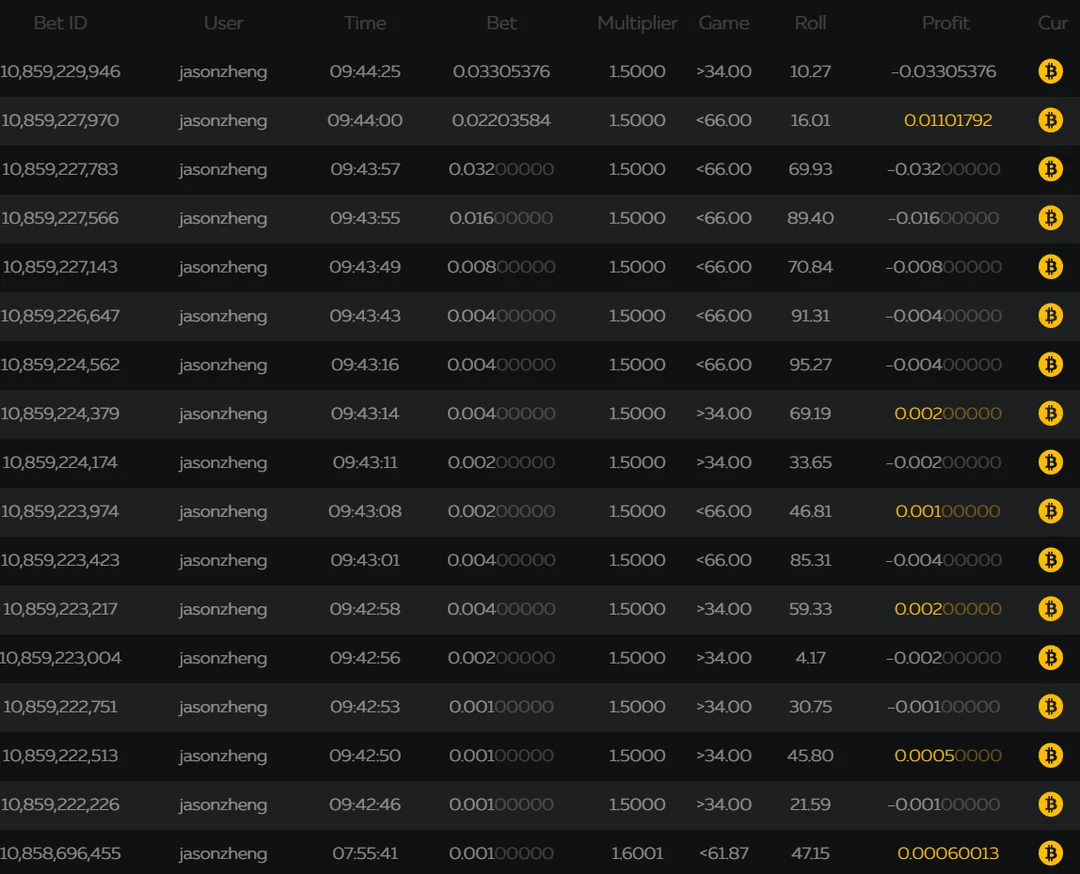
Instead of standard 1.00% to 4.00% casino house margins, compare with mathematically verified 100% RTP Originals (0.00% House Edge) on Duel Casino:

You sat down for “ten minutes.” The clock on the wall says otherwise: three hours are gone. No accident there. Online casinos strip clocks from the interface, favor dark, windowless layouts, and push game speed to around 3 seconds per slot spin — a steady rhythm that keeps you in a mild dissociative state where minutes stop registering.
Fatigue compounds the problem. After enough continuous play, your ability to process odds, calculate expected value, and stick to disciplined bet sizing degrades measurably. An external timer cuts through that by forcing periodic conscious breaks — moments where you decide whether to continue instead of drifting.
Three ways this persistent timer keeps you in control
The tool runs locally in your browser background and delivers three concrete safeguards:
1. Cross-tab persistence
Elapsed session time lives in your browser’s localStorage. Reload the page, hop between tools, or read another article — the count keeps running and never silently resets on you.
2. Visual alarm thresholds
At the 15-, 30-, and 60-minute marks, prominent warning banners appear. Their job is simple: disrupt the flow long enough for you to stand up, consult your stop-loss card, and honestly assess whether your decisions still look rational.
3. Conscious reset contract
Starting over takes a deliberate click. That friction matters — a new session becomes a choice you make, not an autopilot continuation of the old one.
Data Sandwich: What an extra hour actually costs
Time exposure has a price tag you can compute. Take a fast-paced slot with 96% RTP (a 4% house edge) played at 600 spins per hour with $1 staked per spin.
- Wagering Volume per hour:
600 spins * $1 = $600 - Expected Loss per hour:
$600 * 4% = $24
Drift four hours without noticing, and expected loss climbs to **$96**. Worse, the odds of hitting a severe downswing grow steeply with every additional hour of exposure. Set the alarm at 30 minutes instead: volume stays capped at $300, expected loss at $12, and you get a structured moment to bank any short-term winnings before variance reverses them.
Frequently asked questions
What is a Reality Check banner? (It acts as an external check for Responsible Gambling)
A Reality Check is a regulator-mandated notification showing how long you’ve been playing plus your net result for the session. Running this external tool keeps that tracking fully independent of whatever the casino operator chooses to display.
How does time fatigue affect decision making?
Long sessions drain the executive functions you rely on for discipline. Tired players are far more prone to loss-chasing (raising stakes to recoup money already lost) and impulsive bets that abandon basic strategy.
Does the timer collect my personal data?
No. Everything runs in your browser’s local storage engine. Session logs, wagers, and time metrics never leave your device — nothing goes to external servers or casino platforms.