
Responsible Gambling: Tools, Limits, and Where to Get Help
ProvablySmart runs on a simple principle: verify first, bet second. The harder truth sits right next to it: verified RNG and clean math do nothing to stop chasing, tilt, or compulsion. If gambling has started to feel like an escape hatch, a fix, or something you keep quiet about—this page was written for that moment.
Nobody here is going to lecture you. What follows is a working toolkit: early warning signs worth taking seriously, limits that hold up under pressure, self-exclusion and blocking steps you can finish tonight, and confidential places to talk.
If you feel unsafe right now, or thoughts of harming yourself are present, stop reading and call your local emergency number or a crisis service in your country. Not sure which one? A directory like Find a Helpline lists verified options by country.
Quick self-check: when gambling becomes a problem
How Does This Compare to 0% House Edge Protocols?
Audited 100% RTP
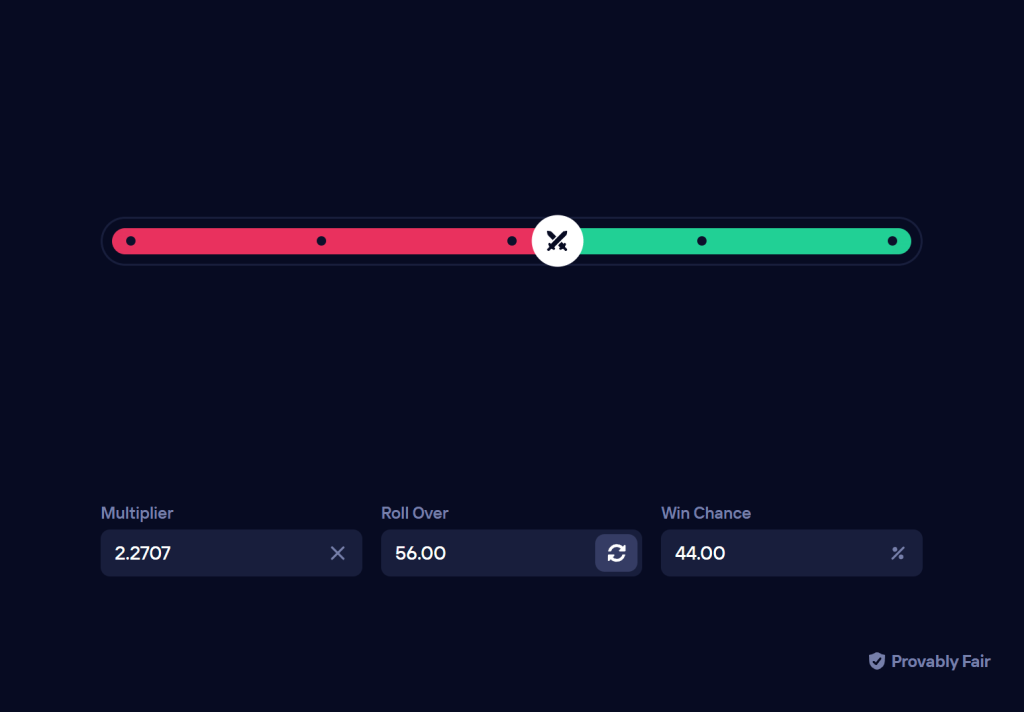
Instead of standard 1.00% to 4.00% casino house margins, compare with mathematically verified 100% RTP Originals (0.00% House Edge) on Duel Casino:

Harm starts when gambling eats things you actually need: sleep, money you can’t replace, relationships, focus, calm. You don’t need to hit some dramatic bottom before help counts.
Common warning signs
- Gambling is your escape from stress, anxiety, or loneliness.
- You chase losses (“one more session gets me back to even”).
- You hide sessions, minimize them, or feel shame afterward.
- Stakes keep climbing—either to recover faster or just to feel anything.
- Limits live in your head but collapse in the moment.
If any of these sound familiar: you’re not broken, and you’re not weak. You’re a person under variance and dopamine. That’s precisely why limits have to be external and mechanical—not a promise you make to yourself at 2 a.m.
If chasing is the loop you’re stuck in, read this next: Chasing Losses (Why it happens and how to interrupt it).
Three layers of protection (stronger than “willpower”)
Tilted brains don’t honor promises. The reliable approach is stacked friction: make gambling harder to start, easier to stop, and less costly when you do play.
Layer 1: Platform limits
Deposit caps, loss caps, session timeouts, reality checks, and built-in self-exclusion. Useful—but rarely sufficient alone.
Layer 2: Device / access blocks
Blocking software plus formal exclusion schemes cut off impulse access when stress spikes hit hardest.
Layer 3: Social + support structure
One trusted person plus a support service turns a solo fight into something you can actually survive.
A 30-minute “reset plan” (do this today, not someday)
If gambling is actively hurting you, stopping and building barriers is the safest move. Each step below is deliberately small enough to finish while stressed.
Step 1: Pause the damage (timeouts and self-exclusion)
Trigger every timeout and self-exclusion option the platforms offer. In Great Britain, GAMSTOP covers online operators licensed in the UK with one free registration.
Step 2: Block access on your devices
Put blocking software on phone and desktop alike. The point is closing off late-night impulse access and giving your head time to cool down.
Step 3: Remove the easy money path
Strip stored cards from gambling accounts, kill one-click payments, and split daily spending from gambling exposure—a second bank account or prepaid card does this fine.
Step 4: Tell one person (minimum viable honesty)
No dramatic confession required. One sentence works: “I’m struggling with gambling and putting blocks in place—can you check in on me?”
Step 5: Use real support
Pick one option from the list below and use it today. Text counts. Anonymous counts. Showing up counts.
Where to get help (global + regional)
Unsure what applies where you live? Start with a global online service now, switch to a local helpline later. Contact matters; perfection doesn’t.
Global (online, works anywhere)
Gambling Therapy provides free online support and resources internationally.
Find a Helpline locates verified crisis and support lines by country.
Great Britain (UK)
GamCare operates the National Gambling Helpline (phone + chat) alongside structured support programs.
GambleAware offers tools, guidance, and routes into the National Gambling Support Network.
GAMSTOP is a free self-exclusion scheme covering UK-licensed online gambling operators.
United States
National Problem Gambling Helpline (NCPG): free, confidential, 24/7 by phone and chat.
Need referral help that also spans mental health and substance issues? SAMHSA’s National Helpline can point you somewhere concrete.
Australia
Gambling Help Online runs free 24/7 online support and links you to local services.
Canada
No idea where to begin? ResponsibleGambling.org works as a directory-style entry point for Canadian help options and can route you to regional services.
In regulated markets, self-exclusion is one of the most widely used harm-reduction tools available. The UK Gambling Commission publishes a plain-language summary of what it does—and what it doesn’t.
Tools that help (when you choose to play, not when you need to stop)
The goal isn’t always “quit forever.” Sometimes it’s “stop bleeding money through chaos.” Choosing to play? Tools reduce harm. Unable to stop? Skip this section entirely—the support options above come first.
Practical harm-reduction tools on ProvablySmart
- Bankroll Unit Calculator — pick a base bet you can actually survive.
- Session Rules Template — stop-loss, stop-win, timebox, anti-tilt rules in writing.
- Tilt Triggers — name what flips you into bad-decision mode.
None of these are “winning strategies.” They’re guardrails—less exposure, less regret.
Friends & family: how to help without making it worse
Someone you care about is struggling? Your job isn’t policing them. It’s lowering shame, adding structure, and connecting them to support. A strong opening move: sit beside them while they register for self-exclusion, install blocks, and dial a helpline.
What usually helps
- Backing the barrier steps (self-exclusion + blocking) without judgment attached.
- Temporarily helping separate finances if they ask—and if it’s safe for you.
- Nudging toward professional support and peer groups.
What usually backfires
- Shame, threats, or the “just stop” speech.
- Paying debts unconditionally—it removes consequences and stretches the cycle longer.
- Debating “why” mid-crisis instead of building structure first.
FAQ
Is “provably fair” a responsible gambling feature?
Not directly. Provably fair lets you verify randomness; responsible gambling is about controlling exposure and behavior. Verified fairness doesn’t stop anyone from losing money or chasing losses.
What’s the single strongest step if I can’t stop?
Self-exclusion plus device blocking plus contacting a support service—today, not tomorrow. Friction between you and impulse access comes first; ongoing support comes next.
Do deposit limits actually work?
They work when they’re strict and slow to raise. But hopping to another site is trivially easy, so layer 2 (blocking software, exclusion schemes) and layer 3 (helplines, therapy, groups) matter too.
What if I’m embarrassed to talk to someone?
Start with anonymous chat. Nobody needs your full story. One honest sentence is enough: “I’m struggling with gambling and I want help stopping.”
Can I use your bankroll tools if I’m in recovery?
If gambling is harming you or you’re trying to quit, barriers and support outrank “playing smarter.” If you decide to play anyway, unit sizing and timeboxing trim exposure—but they’re no substitute for recovery support.
Final note
If this page felt like it was written about you, act on one thing right now: install a block, self-exclude, or contact support. Everything doesn’t need solving today. Harm just needs reducing today.