
Games pillar: Crash Strategy
Interactive Tool: Stake Crash Multiplier & Cashout Explorer
Calculate your exact probability of hitting any target multiplier and audit round seeds. Launch the Stake Crash Predictor & Verifier to check the mod 33 instant-bust proof and optimal cashout math.
Crash Game Strategy: Variance Control, Auto-Cashout Discipline, and Bankroll Rules That Hold Up
A line climbs. Your pulse climbs faster. The multiplier hits 2x, then 3x, and a voice in your head whispers “hold on, just one more beat.” Then 1.00x arrives and takes everything.
Here’s the honest part first: no Crash strategy beats the game mathematically. No target multiplier, no timing trick, no “hot round” read flips expected value into your favor. What you actually control is how much damage variance can do to you — how fast you bet, how big your units are, and whether tilt gets a vote.
This guide covers three things only: what Crash really is, why auto-cashout fixes behavior (never odds), and how to structure a session so you don’t torch your bankroll in twelve rapid rounds.

Crash punishes volume and mood-based decisions. It rewards nothing except knowing exactly when to quit.
What Crash really is — and why it feels personal
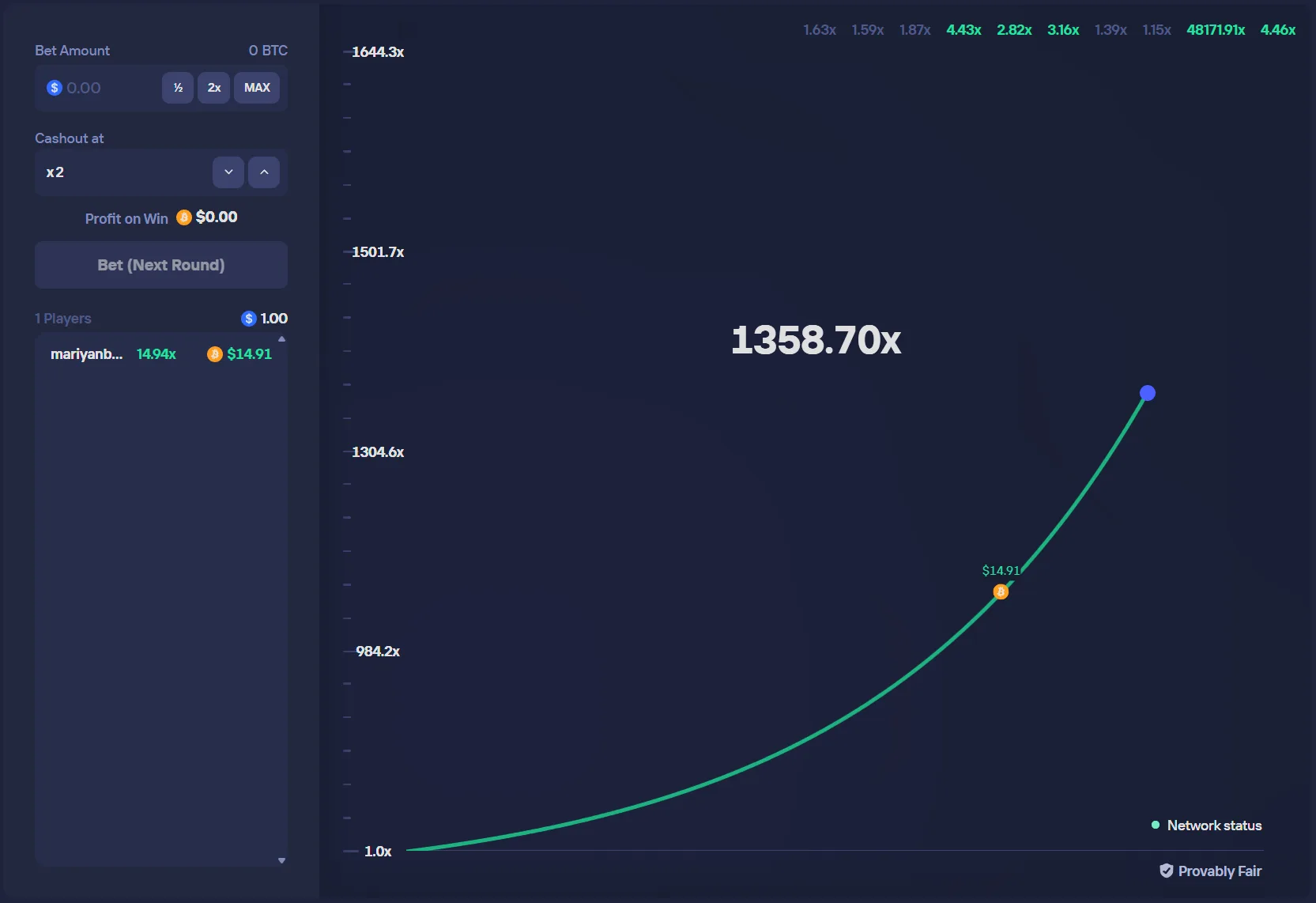
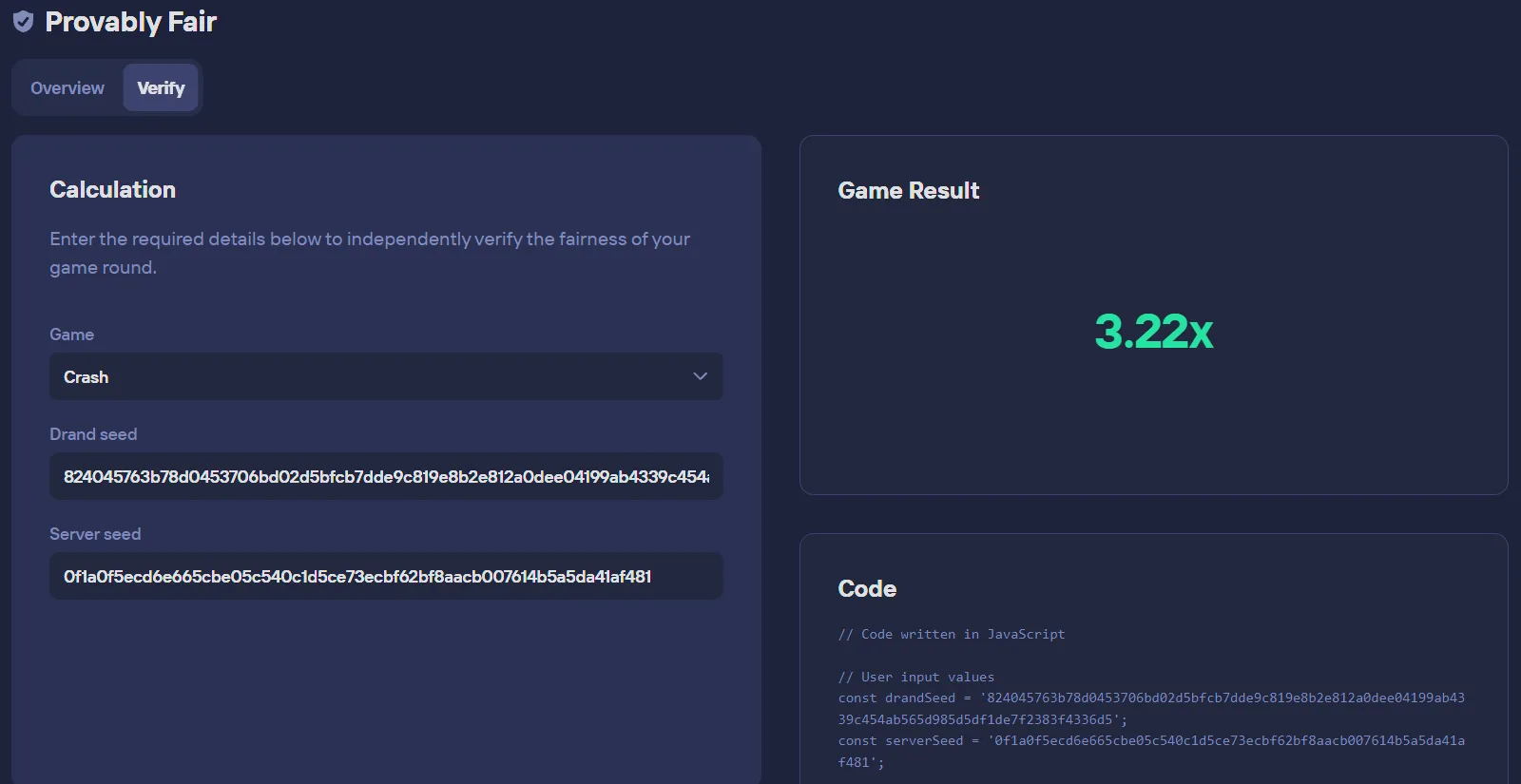
Mechanically, Crash is simple: a multiplier starts at 1.00x and rises until it “crashes” at some hidden point. Cash out before that point and your stake is multiplied by whatever the display showed. Fail to cash out and the stake is gone.
The design is brilliant and dangerous at the same time. Watching the line climb feels like skill — but in provably fair versions the crash point comes from verifiable randomness generated before or alongside the bet, not from anything you do. The only genuine decision left is risk selection: which volatility profile are you able to absorb?
For the fairness layer — seeds, hashes, verification steps:
The money-saving truth: auto-cashout changes behavior, not odds
Auto-cashout leaves expected value untouched. If the game carries a house edge — and most do — setting an automatic exit doesn’t dent it. What it does is strip out the worst moment in Crash: choosing live, mid-round, under adrenaline.
Once the rule is set before betting, the round is no longer a decision. That matters more than any multiplier, because bankroll damage in Crash almost always traces back to two habits:
- raising the target after losses (“I need one big hit to fix this”)
- sitting on wins too long (“just a little higher”)
Auto-cashout is a seatbelt for your judgment. It prevents crashes of the human kind, not of the payout kind.
This pairs perfectly with: Tilt Triggers and Chasing Losses.
Pick a Crash risk profile (low, medium, high) — then keep it
Your cashout target doubles as a volatility dial. A lower target means wins arrive more often and stay small. A higher target stretches out losing runs and concentrates results in rare spikes.
Low-volatility profile (small targets, smoother ride)
Built for staying power. Modest multipliers, frequent small returns, minimal drama. You’re buying session time, not chasing highlights.
The honest framing: “I’m paying for duration, not for glory.”
Medium profile (balanced swings)
Fewer hits than the low profile, larger payouts when they land. Streaks still hurt here — just less violently than at high targets. A reasonable middle ground if your unit sizing is already conservative.
The honest framing: “Swings I can tolerate without making bad decisions.”
High-volatility profile (big targets, rare hits)
Long dry stretches are standard operating conditions. If your unit is oversized, the bankroll dies long before the hit you were waiting for shows up. High volatility demands the smallest units.
The honest framing: “I’ve budgeted this as entertainment.”
One non-negotiable: no mid-session target changes. Changing your cashout goal after a loss is usually just tilt wearing formal wear.
Background reading on why streaks mislead us: Common Gambling Math Mistakes.
The one durable approach: unit sizing plus hard session rules
Crash rounds resolve in seconds, and speed compresses variance into shorter timeframes. Bet-sizing errors get billed quickly.
If you take away a single rule, make it this one:
Set a small unit — commonly 1–2% of session bankroll — and freeze it for the whole session.
Losing streaks aren’t hypothetical; in Crash they show up within minutes. A small unit buys runway so a cold stretch is survivable rather than terminal.
Core reading for building sessions:
Bankroll Management
Stop-Loss & Stop-Win Rules
Timeboxing Sessions
Risk of Ruin (RoR)
The “Crash Session Blueprint” (copy it; boring by design)
Five steps. Nothing clever in here, which is the point.
Step 1: Define your session bankroll
Separate from your total funds. This is the amount you can lose today without it ruining the rest of your week. Once it’s gone, the session ends — no top-ups from tomorrow’s money.
Step 2: Choose a unit size (and lock it)
Around 1–2% of session bankroll suits fast games like Crash. Smaller units mean more rounds of runway and less panic per loss. Write it down; don’t renegotiate with yourself later.
Step 3: Set your cashout target BEFORE the first bet
Choose the profile above and commit. The target is a risk dial decided while calm, not adjusted while frustrated.
Step 4: Set stop-loss and stop-win
Stop-loss caps the damage chasing can cause. Stop-win caps overconfidence after a good run. Skip both and Crash will set them for you at the worst possible prices.
Step 5: Timebox the session
Crash thrives on “one more round.” A timer ends the debate. Every extra round adds house-edge volume you didn’t plan for.
A printable version of this exact routine:
Four self-sabotage patterns to watch for
Each of these converts a routine downswing into something permanent.
1) Raising targets after losses
“I’ll repair it with one bigger win” is the classic move, and it raises variance exposure precisely when judgment is weakest.
Read: Chasing Losses.
2) Bumping stake size to recover faster
In a game measured in seconds, this path is short. Unit size exists to absorb streaks; enlarging it removes your own cushion.
Read: Why Martingale Fails.
3) Seeing “patterns” in the graph
Round history tells stories none of them true. The next crash point carries no debt to you — believing otherwise is gambler’s fallacy with better graphics.
Read: Probability Basics.
4) Extending play because you’re ahead
Being up changes your feelings, not the underlying edge. Finish the session while the result is still yours.
Expected loss: the quiet math behind every “fun session”
Even perfect discipline doesn’t create profit. Most casino games run negative expected value, so the cost of playing grows with total amount wagered — regardless of individual outcomes.
Expected Loss ≈ Total Wagered × House Edge
Crash’s dramatic swings hide this tax well, but hiding isn’t deleting. For the full arithmetic: How to Calculate Expected Loss
Provably fair Crash: what verification gives you (and what it can’t)
Provably fair systems let you confirm results weren’t manipulated after you placed the bet. That’s meaningful trust — real, checkable integrity.
It says nothing about short-term luck. You can verify a legitimately random 1.00x crash right after two losses and feel cheated anyway. Fairness and variance are separate issues entirely.
The important distinction, spelled out:
Pre-flight checklist (run through it before pressing Start)
- I set a session bankroll I can afford to lose.
- I chose a unit size (often 1–2% of session bankroll) and won’t increase it.
- I picked one cashout target for the session and won’t change it midstream.
- I set stop-loss and stop-win rules.
- I set a timer (timeboxing) to limit volume.
- If I feel tilt or chasing thoughts, I end the session immediately.
Printable version: Session Rules Template
FAQ
Is there a “best” Crash cashout multiplier?
No number works everywhere. A target mainly shifts volatility — win frequency versus losing-run length. Auto-cashout sharpens discipline; it never improves expected value.
Does auto-cashout make Crash profitable?
No. It’s a behavioral guardrail against emotional exits. House edge survives the feature, so no outcome is guaranteed by using it.
Why do I keep seeing “1.00x” crashes?
Randomness clusters, especially in short samples. These events sit inside the normal distribution of the game. Painful, yes — but not by themselves evidence of rigging. Run a verification check if in doubt.
What’s the safest way to play Crash?
Small frozen units, strict stop-loss and stop-win limits, and a timer. Match the volatility profile to what your bankroll can actually survive, and resist every urge to adjust targets or stakes mid-session.
Where should I go next?
If Crash reliably puts you on tilt, start with Tilt Triggers and Chasing Losses. For another fast-game discipline guide, see Mines Strategy.