
Games pillar: Roulette Odds & House Edge
Interactive Tool: Calculate Roulette Payouts & Test Systems
Compare single-zero European and double-zero American wheel payouts with our comprehensive Roulette Odds & Payout Calculator, featuring a progression simulator for even-money bets.
Roulette Odds & House Edge: A Clear Look at European vs American Wheels, Every Bet Type, and Why Betting Systems Fall Apart
Strip away the croupier and the felt, and roulette is a pricing machine. One wheel, one ball, 37 or 38 pockets — and a built-in fee most players never bother to read. The game looks gentle. That’s precisely what makes it effective at parting people from their bankrolls.
This isn’t an anti-roulette page. It’s an honest one. Below you’ll find the actual odds, the house edge math, the gap between European and American wheels, why bet selection changes variance rather than expected value, and the only “strategy” worth your attention: picking the cheapest rules available and setting boundaries before the first spin.

Roulette isn’t a riddle waiting to be cracked. It’s a bill with an interest rate. Read it before it arrives.
The one-sentence summary that saves you money
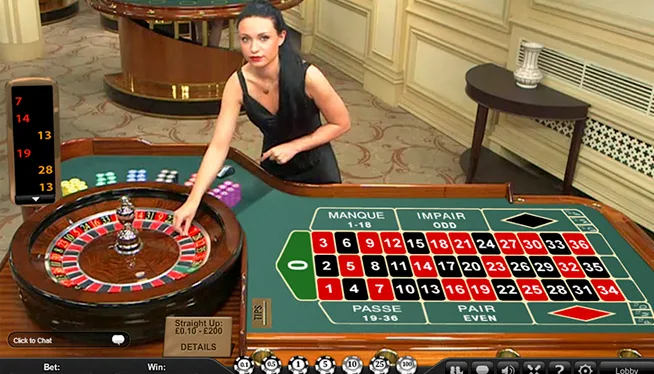

Here’s the entire game in a single line: the casino’s advantage lives in the green pocket(s), and almost every bet choice only changes how bumpy the ride feels — never whether the ride costs money.
This is why roulette myths refuse to die. Streaks appear. Patterns seem obvious. The game whispers that results “should even out.” They won’t within your lifetime of sessions, and the edge holds no grudges about it.
European vs American roulette (the wheel difference that doubles your cost)
You’ll encounter two dominant roulette formats at casinos and online:
European roulette (single zero)
Pockets run from 0 through 36 — 37 total. The lone green zero is where the house gets paid. Between these two versions, this is the player-friendlier wheel.
House edge: roughly 2.70% (since 1/37 ≈ 2.70%).
American roulette (double zero)
Add a 00 pocket and you’re dealing with 38 pockets. That second green cell nearly doubles the tax on nearly every common wager.
House edge: roughly 5.26% (since 2/38 ≈ 5.26%).
Practical rule of thumb: Given a choice, sit down at European (single-zero) tables. Stuck with American? Budget accordingly — same entertainment, roughly twice the running cost.
French roulette rules worth seeking out (La Partage / En Prison)
The label “French roulette” usually signals European Roulette wearing two extra rules that apply to even-money bets — red/black, odd/even, high/low.
La Partage
Zero lands, and half your even-money stake comes back instead of all of it vanishing.
En Prison
Zero lands, and your even-money stake sits “imprisoned” for the following spin. Win it, and the stake returns (typically without profit). Lose it, and it’s gone for good.
Each rule trims the effective house edge on even-money bets at a single-zero wheel. Tables offering them are genuinely cheaper per spin than standard European layouts — cheaper, mind you, not profitable.
House edge vs variance (why “safe” bets lose at the same rate)
Two concepts get tangled constantly:
House edge is the fixed long-run cost written into the rulebook itself.
Variance measures how violently short-run results can swing — win streaks, droughts, spikes and dumps.
Under identical wheel rules, most roulette bets carry essentially the same house edge. What bet selection actually moves is variance. Outside bets such as red/black produce smoother graphs; inside bets like straight-up numbers lurch dramatically in both directions.
Worth saying plainly: “I’m betting safer” translates to “I’m buying lower variance,” not “I’ve found profit.”
If streaks still feel a bit haunted to you, this explainer helps:
Roulette bet types (what each choice does to your maths and your mood)
Bets divide into two camps — outside and inside — and each camp has its own failure mode.
Outside bets (low volatility, frequent results)
The low-drama menu: red/black, odd/even, high/low, dozens, columns. These are the wagers players pick when they want the evening to stay pleasant.
The upside: less emotional strain, slower tilt.
The trap: frequent small results encourage longer play — and every extra spin adds volume. Volume is exactly how the edge collects its rent.
Inside bets (high volatility, rare wins, larger payouts)
Straight-up numbers plus splits, streets, corners and friends — precision wagers with long gaps between hits.
The upside: adrenaline and occasional oversized pops.
The trap: dry spells are normal, not unlucky. Chasing them by raising stakes is where bankrolls go to die.
To see why session length matters so much, read this next:
The one controllable edge: pick cheaper rules
Roulette offers nothing comparable to blackjack’s basic strategy. There’s no decision tree that shrinks the edge toward zero. Your real optimization happens before betting starts — choosing a table that charges less:
- Take single-zero (European) over double-zero (American) whenever both exist.
- Grab La Partage / En Prison tables if they’re offered on even-money bets.
- Skip exotic variants until you’ve checked the actual rules and house edge yourself.
- Note whether you’re facing live roulette or RNG roulette; pick whichever you trust more, but trust is not the same thing as positive EV.
Boiled down: you cannot delete the house edge, but refusing to overpay is entirely within reach.
Why every betting system dies here (Martingale, Fibonacci, Labouchere)
Roulette incubates betting systems better than any other casino game. Red/black looks close enough to a coin flip that staking schemes feel plausible. “Manage my stakes cleverly,” the thinking goes, “and the profit takes care of itself.”
No progression alters expected value. What systems alter is the distribution shape: a long tail of minor wins punctuated by occasional brutal losses. Casinos adore this trade — those crushing losses are real cash, while the steady drip of small wins keeps you in the chair.
Martingale (double after every loss)
Elegant right up until a losing streak arrives. Required stakes then grow exponentially and slam into two immovable objects: your finite bankroll and the table maximum.
Fibonacci / D’Alembert / Labouchere
Gentler gradients, identical destination. All three rest on the same fantasy as Martingale: that clever staking can route around house edge and variance combined. It can’t, under any legal table conditions.
System Reality Check: Any system with genuine guaranteed profit would be outlawed by casinos within a week. Its continued welcome tells you everything about its long-term record.
Roulette myths, retired politely
Time to clear these out — not because believers are foolish, but because roulette’s design is engineered to feed pattern-hungry brains.
“Red is due after seven blacks”
Textbook gambler’s fallacy. Long streaks emerge naturally from random sequences. The wheel keeps no ledger and owes no corrections.
“Hot numbers” and “cold numbers”
Spin history reads like meaning but predicts nothing in a fair game. Enjoy the scoreboard as trivia; don’t let it place bets for you.
“The dealer has a signature”
In modern settings — online rooms especially — reliably exploiting dealer signature is beyond what typical players can achieve. If you catch yourself hunting it, you’re usually just feeding pattern addiction with extra steps.
A quick audit of the math errors roulette exploits best:
Bankroll rules built for a volume game
Roulette costs balloon when sessions drift without rails. Waiting out a “streak flip” isn’t the goal. Controlling how much volume you buy per sitting is.
1) Fix a session bankroll
Decide on a figure you could lose today without ruining tomorrow’s mood. When it empties, stand up. No exceptions clause.
2) Stake flat and small
Flat staking stops ordinary streaks from turning into emergencies. Small units buy runway. Runway buys composure.
3) Timebox (or cap spins)
Spins fly by at live speed — and faster online. A timer or hard spin limit stops your volume from creeping upward unnoticed.
4) Stop-loss and stop-win
One blocks chasing; the other blocks “I’m ahead, time to press.” Together they shut down session drift from both directions.
Prefer something printable and pre-decided?
The Roulette Risk Dial (pick a ride you can afford to finish)
Ditch the fantasy of having an edge. Choose a risk level deliberately instead — this is the one “strategy” that doesn’t crumble under pressure.
Low-risk roulette (outside bets only)
Red/black, odd/even, high/low, dozens/columns. Modest volatility, frequent results, calmer sessions overall.
Best for: players who want smooth and are disciplined enough to timebox, since frequent small wins invite overlong play.
Medium-risk roulette (outside core + occasional inside)
An outside-bet backbone with small side bets on numbers that you treat as disposable entertainment spend.
Best for: anyone who wants flavor but will hard-cap the inside portion no matter what the last five spins did.
High-risk roulette (inside bets as the plan)
Straights and splits doing the heavy lifting. Sharp volatility, extended droughts guaranteed by arithmetic.
Best for: brief sittings, microscopic units, zero chasing tolerance. Missing any of those three? Skip this mode entirely.
Warm advice: Lock one dial position before the first spin and hold it. “Upgrading” mid-session while behind is chasing in formal wear.
The Roulette Session Blueprint (five unglamorous steps that do real work)
A routine beats willpower. Nothing below is exciting; everything below is protective.
Step 1: Take the cheapest rules on offer
Single-zero European first. French rules on even-money bets (La Partage / En Prison) trim the cost further.
Step 2: Define session bankroll + small unit
Set both numbers before playing. Keep stakes flat throughout. Progressions banned by your own rulebook.
Step 3: Fix the risk dial (outside / mixed / inside)
Choose your bet style in advance and defend it. Changing style mid-session to “repair” losses is how compounding mistakes start.
Step 4: Install stop-loss, stop-win, and a timer
The stop-loss cuts off chasing. The stop-win caps overconfidence. The timer strangles volume creep in its sleep.
Step 5: The instant “I’m due” appears, end it
Feeling owed by the wheel means your brain has started negotiating with randomness on your behalf. That negotiation always ends badly — leave the room.
FAQ
Which roulette has the best odds?
European roulette (single-zero) beats American roulette (double-zero) thanks to its smaller count of green pockets. Where tables add French rules such as La Partage or En Prison to even-money bets, value improves further on those specific wagers.
Do outside bets have a lower house edge than inside bets?
On a standard wheel under matching rules, most bets share essentially the same house edge. Outside bets merely feel safer due to lower volatility and more frequent wins — a comfort feature, not profitability.
Does Martingale work on roulette?
It produces plenty of small wins, yes — until a losing streak arrives, stakes compound exponentially, and finite bankrolls meet table limits. The failure isn’t bad luck; it’s structural.
Are hot and cold numbers real?
Random sequences genuinely produce streaks — that’s what randomness looks like. But in a fair game they carry no predictive power. Hot/cold tracking reflects pattern bias, not edge.
What’s the smartest way to play roulette?
Cheapest rules first (single-zero, ideally with La Partage or En Prison), small flat units, timed sessions, and firm stop-loss/stop-win limits so chasing never starts. That’s the honest answer — no system required.