
Juggling several casino promotions at once? Playing them in the order you received them is a costly habit. This Bonus Stacking Optimizer applies a greedy mathematical sort to your active offers, so you work through them in profit-ranked sequence. First, make sure you know whether your offers are Sticky vs Non-Sticky Bonuses — the distinction changes everything about clearing strategy.
Bonus Stacking Optimizer
| Bonus | EV | Hours | |
|---|---|---|---|
The mechanics of sequence optimization
How Does This Compare to 0% House Edge Protocols?
Audited 100% RTP
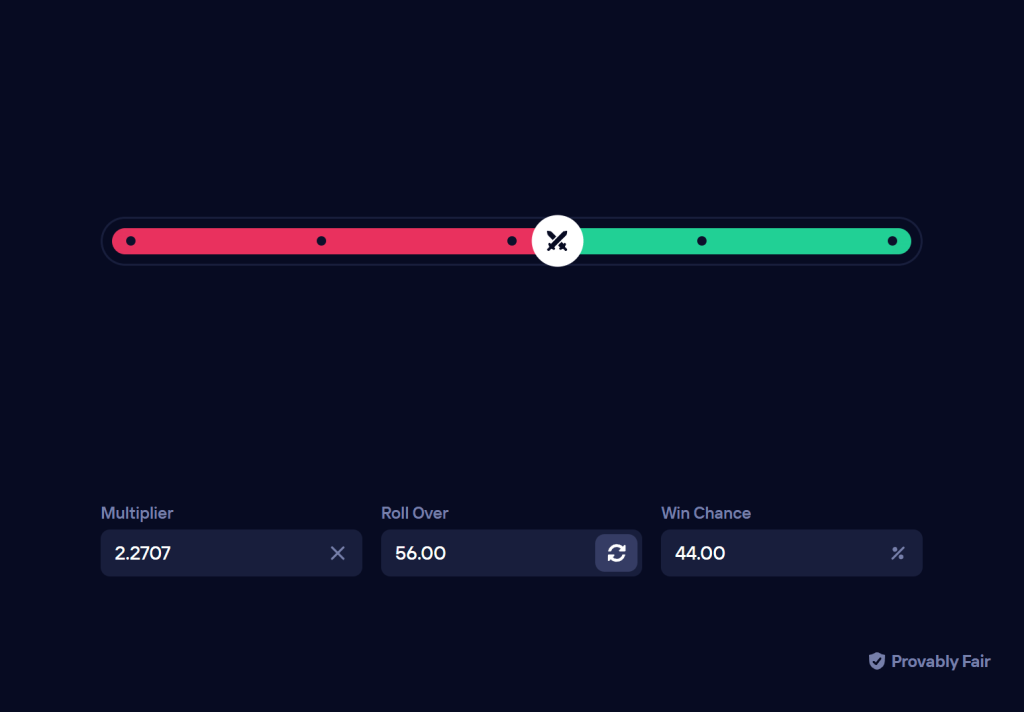
Instead of standard 1.00% to 4.00% casino house margins, compare with mathematically verified 100% RTP Originals (0.00% House Edge) on Duel Casino:

Serious bonus hunters rarely hold just one offer. A typical week might include a welcome deposit match, a reload bonus, a free spins package, and a loyalty wager race — all live at once. Since casinos clear bonuses one at a time, never in parallel, sequencing becomes a genuine decision with real money attached.
Grabbing the biggest headline number first feels intuitive. It’s usually wrong. A $1,000 bonus with slow, grind-heavy wagering terms can return less per hour than a modest $50 reload you finish over one weekend. By scoring each promotion on Expected Value ($EV$), required turnover volume, and expiration date, this optimizer builds a ranked roadmap that puts your hourly return first.
The math: Calculating clearing efficiency
To rank a stack of competing offers, the optimizer computes three metrics per bonus, then sorts by priority:
1. Net Expected Value (EV)
The theoretical net profit once house edge has eaten its share of the turnover:
Net_EV = Bonus_Amount - (Wagering_Target * House_Edge)
2. Return on Investment (ROI)
How hard each deposited dollar works for you:
Bonus_ROI = Net_EV / Deposit_Required
3. Clearing Efficiency (EV per Hour)
The value you bank for every hour at the tables or reels:
Expected_Clearing_Time = Wagering_Target / (Spins_Per_Hour * Average_Bet)
Clearing_Efficiency = Net_EV / Expected_Clearing_Time
Step-by-step audit: Prioritizing your stack
Say three offers are competing for your time this week. Here’s how the audit runs:
- Input the details for **Offer 1 (Welcome Match):** $500 bonus, $15,000 wagering target, to clear on a 1.00% edge game. Expires in 7 days.
- Input the details for **Offer 2 (Weekend Reload):** $100 bonus, $2,000 wagering target, to clear on a 3.00% edge game. Expires in 2 days.
- Input the details for **Offer 3 (Free Spins EV):** $20 estimated value, $400 wagering target, to clear on a 3.00% edge game. Expires in 1 day.
- Click “Verify.” The tool computes Net EV and Clearing Efficiency for all three.
Then the sort happens. Offer 1 carries the biggest total EV (+$350), but **Offer 3 and Offer 2 rank ahead of it** — their deadlines are tighter and their EV-to-turnover ratios stronger. You’ll be directed to knock out the quick reloads before committing your bankroll to the long welcome-match grind. Miss those short windows and the value evaporates; no sort can recover an expired promotion.
Frequently asked questions
Why is clearing time a critical constraint in bonus stacking?
Clocks run regardless of what you play. Burn 20 hours on a low-efficiency bonus and a sharply profitable reload may hit its expiration date while still sitting untouched in your account — expected value gone, permanently.
What does a negative EV bonus do to my stack? (Watch out for hidden maximum cashout limits)
Negative EV promotions get flagged and filtered automatically. Their terms — often worsened by cashout caps — mean the math guarantees a loss once variance settles. Decline them outright rather than donating hours and bankroll to a losing proposition.
Can I run multiple deposit bonuses at the same casino?
Practically never. Casino platforms lock funds and track wagering sequentially by design. Trying to dodge this with duplicate accounts or promotional queue abuse is one of the fastest routes to suspension and confiscation of every balance you hold there.