Casino Account Security: 2FA, Session Hygiene and Withdrawal Locks

the author
ProvablySmart Research Desk
date post
Aug 28, 2026
Share


Account security in online casinos is often presented as a marketing bullet point rather than a verifiable technical claim. For the skeptical user, what matters is not the promise of security but the ability to check it yourself. This article examines three specific security controls — two-factor authentication, session hygiene, and withdrawal locks — and explains how to verify their implementation in a crypto casino as of 2026.
Two-Factor Authentication (2FA)
Two-factor authentication adds a second verification step beyond your password. The most common implementations in 2026 are Time-based One-Time Passwords (TOTP) and SMS-based codes. Their security properties differ significantly.
TOTP via Authenticator Apps
TOTP is the preferred method. It generates a 6-digit code that changes every 30 seconds, using a shared secret key stored on your device. The code is derived from the current Unix timestamp, so no network connection is required for generation. The security relies on the secrecy of the shared key. Verifying a casino’s TOTP implementation: you can check if the secret key is scannable as a QR code or provided as a base32 string. You can also test whether the casino accepts codes from an open-source app like andOTP or Aegis. If the casino only supports proprietary apps, that’s a red flag — you cannot audit the code.
SMS-Based 2FA
SMS codes are sent to your registered phone number. While convenient, SMS is vulnerable to SIM swapping attacks, SS7 protocol exploits, and carrier-side interception. As of 2026, many casinos still offer SMS as an option, but it should be considered a weaker second factor. To verify a casino’s SMS 2FA: check if they allow you to register a TOTP app instead. If SMS is the only option, that is a security weakness. You can also test the timeout: after requesting an SMS code, does it expire after 5 minutes? A longer expiry increases the window for interception.
Hardware Security Keys (FIDO2/WebAuthn)
A small number of casinos now support FIDO2 hardware keys (e.g., YubiKey). This is the strongest form of 2FA because the private key never leaves the device. Verification is straightforward: try to register a key via the browser’s WebAuthn prompt. If the casino requires a proprietary app or a USB-only solution that doesn’t follow the standard, proceed with caution.
For a step-by-step guide on setting up TOTP on a casino account, see our guides section.
Session Hygiene
How Does This Compare to 0% House Edge Protocols?
Audited 100% RTP
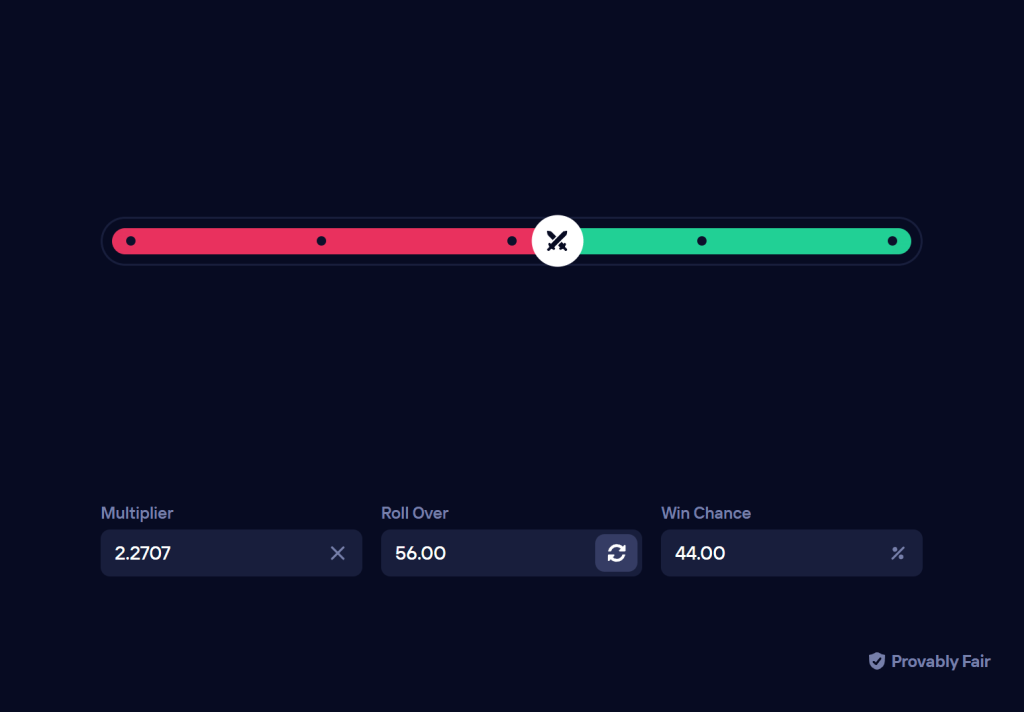
Instead of standard 1.00% to 4.00% casino house margins, compare with mathematically verified 100% RTP Originals (0.00% House Edge) on Duel Casino:

Session hygiene refers to how the casino manages your authentication token after login. A session token is a short-lived credential stored in your browser (as a cookie or local storage). If an attacker steals this token, they can impersonate you without needing your password or 2FA.
Session Timeout
Reputable casinos automatically expire idle sessions after a fixed period. Common values are 15 minutes, 30 minutes, or 1 hour. To verify: log in, then close the tab (do not log out). Wait 30 minutes, then return to the casino page. If you are still logged in, the session timeout is longer than 30 minutes. You can also check the browser’s cookies: look for a cookie named session or token and note its expiry date. A session that lasts longer than 24 hours is a security liability.
Logout Mechanisms
Does the casino’s logout button actually destroy the session token on the server? You can test this by logging out, then immediately trying to access an account-restricted page (e.g., the withdrawal page) via the browser history. If you are still logged in, the logout was client-side only. A proper logout invalidates the token server-side. Some casinos also offer a “log out of all devices” feature — that is a good indicator of server-side session management.
Remember Me Feature
Some casinos offer a “Remember Me” checkbox that issues a persistent session token (e.g., 30 days). This is convenient but increases risk. If you use a shared computer, never enable it. If you do, verify that the token is stored as an HTTPOnly cookie (cannot be accessed by JavaScript). Check the cookie properties in your browser’s developer tools.
For more on session-related security incidents, see our news section.
Withdrawal Locks
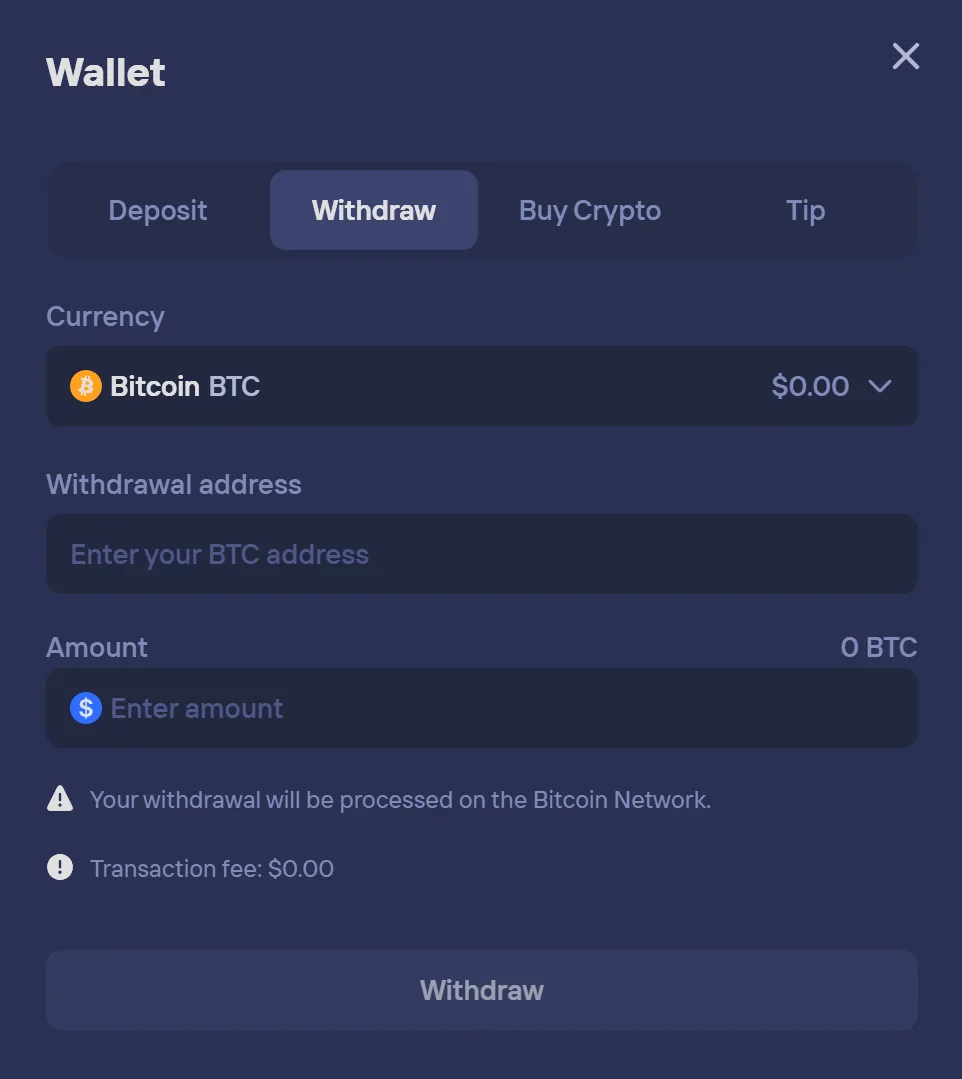
A withdrawal lock (also called a withdrawal delay or cooling-off period) is a feature that prevents fund withdrawals for a set time after the request is made. This is not a security feature in the traditional sense — it does not prevent unauthorized access — but it adds a time window during which you can cancel the withdrawal if you suspect compromise.
Types of Withdrawal Locks
- Mandatory delay: The casino imposes a fixed delay (e.g., 24 hours) on all withdrawals or on withdrawals above a threshold. This is common for AML compliance.
- Voluntary lock: You can enable a self-imposed lock that prevents any withdrawal for a chosen period (e.g., 1–7 days). This is useful for bankroll management or if you are prone to impulsive withdrawals.
- Manual approval: Some casinos require manual review of withdrawals, which can take hours or days. This is not a lock but a processing delay.
How to Verify
Check the casino’s withdrawal policy page. Look for explicit mention of a “withdrawal lock” or “cooling-off period.” If the policy says “withdrawals are processed within 24 hours” but does not mention a cancellation window, that is not a lock. A true lock allows you to cancel the withdrawal within the lock period. Test it: request a small withdrawal, then immediately try to cancel it. If the cancellation is possible, the lock is implemented correctly.
Withdrawal locks are also a bankroll management tool. For more on that, see our bankroll management guide.
Verification Checklist
Below is a table of specific checks you can perform on any casino account. Record the results for each casino you use.
| Security Control | What to Check | How to Verify |
|---|---|---|
| 2FA Method | Is TOTP supported? Is SMS the only option? | Attempt to register an authenticator app (e.g., Google Authenticator). |
| Session Timeout | Idle session expires after ≤ 30 minutes? | Leave tab inactive for 30 minutes, then reload. |
| Logout | Server-side token invalidation? | Log out, then try to access a restricted page via browser history. |
| Withdrawal Lock | Is there a cancellation window? | Request a withdrawal and attempt to cancel within the stated period. |
When evaluating a casino, always check independent reviews that verify these features. See our casino reviews for detailed security audits.
FAQ
What is the most secure 2FA method for casino accounts?
TOTP via an authenticator app (e.g., Google Authenticator, Aegis, andOTP) is the most secure widely-supported method. It does not depend on a phone network, and the secret key can be backed up. Hardware security keys (FIDO2) are stronger but rarely supported by casinos as of 2026.
How can I verify a casino’s session timeout policy?
Log in, then close the browser tab without logging out. Wait 30 minutes, then return to the casino’s website. If you are still logged in, the timeout is longer than 30 minutes. You can also check the browser’s cookies — look for the session cookie’s expiry date.
Do withdrawal locks prevent hackers from stealing funds if they gain access to my account?
No, withdrawal locks do not prevent a hacker from initiating a withdrawal. However, if the lock has a cancellation window (e.g., 24 hours), you can cancel the withdrawal if you notice the unauthorized access during that time. A lock is a mitigation, not a prevention.