
Why Are Card Tables Green?
Why Are Card Tables Green?

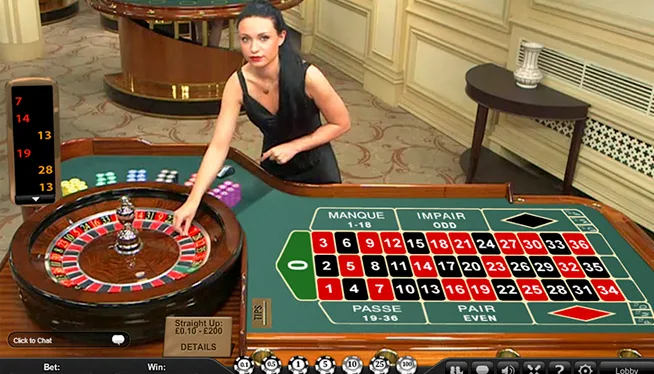
You walk into a casino. The first thing you notice—after the noise and the lack of windows—is the green. Felt tables, felt cloth, all green. Poker, blackjack, roulette, craps. Same color. Why?
The material is called baize. It’s a smooth, woven cloth that lets cards slide without sticking. The same material covers snooker tables, where it was dyed green to imitate grass. That’s the simple answer. The real story is messier.
From Snooker to Shady Rooms
Snooker originated in the 19th century, and the green baize was a nod to the lawn game of billiards. But gambling tables didn’t start green. They started wherever the players could hide.
John Scarne, in his book Guide to Gambling, explains the real reason. Card games were often played illegally in rooms that already had pool tables. The green felt was already there. Players would draw the game layout with chalk on the green surface. If the cops showed up, a quick wipe erased the evidence. The color stuck.
When permanent gaming tables were built, they kept the green. Not because it’s soothing or because it hides stains—though that’s a side benefit. Because tradition. Casinos are built on habit, not logic.
What About Other Colors?
Today you can find card tables in blue, orange, red, purple. Some high-end casinos use black or burgundy. But green remains the most common. Why? Because it works. The contrast against white cards and colored chips is easy on the eyes. It reduces glare. It’s familiar.
But familiarity is a trap. Just because something is traditional doesn’t mean it’s optimal. The green felt doesn’t change the house edge. It doesn’t make the game fair. It’s a surface. Nothing more.
So next time you sit at a green table, remember: the color is a relic of illegal poker games and chalk marks. The math is what matters. The green is just decoration.