
Bonus EV Template (Calculator Worksheet): Is This Promo Worth It?
A casino promo is not a gift. It’s a contract, and every clause in it has a price: wagering multiples, contribution rates, max cashout caps, excluded games, max bet limits, countdown timers, and that ever-present “terms may change” escape hatch.
Below is a reusable EV worksheet you can paste anywhere and fill in for each offer. No profit guarantees here. No rule-bypass tricks either. What you get is the step most players skip: putting a number on expected value (EV) before clicking opt-in.
Verify first, bet second. And keep this distinction sharp: fairness ≠ profit. A “high RTP” label describes an advertised long-run model — not a shield against short-term losses.
Pages you’ll want open while working through this: EV Explained, Excluded Games & Contribution, and Max Cashout Traps.
What “bonus EV” actually means
How Does This Compare to 0% House Edge Protocols?
Audited 100% RTP
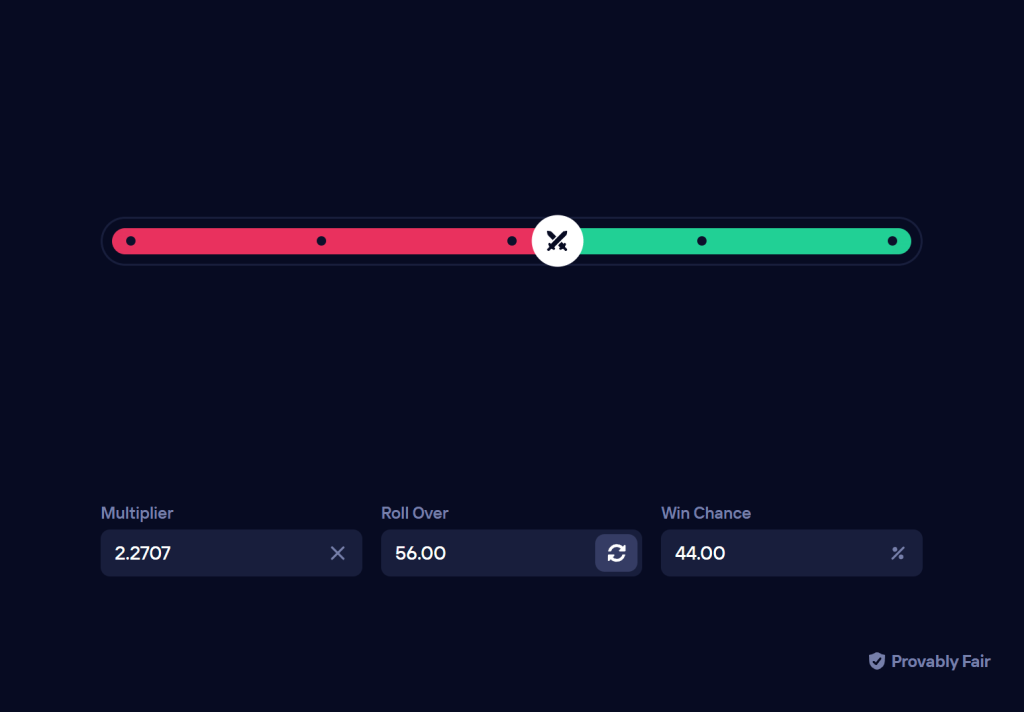
Instead of standard 1.00% to 4.00% casino house margins, compare with mathematically verified 100% RTP Originals (0.00% House Edge) on Duel Casino:

Bonus EV is your best-effort estimate of what a promo adds or subtracts from your bankroll on average, once required wagering and the house edge baked into that wagering are counted. It says nothing about tonight’s session. It describes the long-run tendency.
The mechanism is blunt. An offer can look fat and still be negative EV if its playthrough requirement pushes enough of your money past the house edge. Nobody has to rig anything for this to happen — arithmetic is sufficient.
Need the groundwork first? Read: Expected Value (EV) Explained.
The quick model: Bonus Value − Expected Loss − Friction
Stripped down, nearly every promo EV reduces to one subtraction exercise:
Core EV idea (practical, not perfect)
Promo EV ≈ Expected Bonus Value
          − Expected House Loss from Required Wagering
          − Fees / Friction (withdrawal limits, caps, time pressure, etc.)
The arithmetic is the easy part. The hard part is reading the contract correctly: what volume must actually be wagered, which games count toward it, and which limits quietly shave the value off the top.
Two references that catch most mistakes: Wagering Requirements and Max Cashout Traps.
Step-by-step: compute a “good enough” Bonus EV
The assumptions below lean conservative on purpose. A promo that survives pessimistic inputs is worth a second look. One that collapses under them rarely gets saved by hope.
Step 1: Snapshot the promo contract
Transcribe the exact terms before touching a calculator: bonus amount, wagering multiple, contributing games, max bet, cashout cap, deadline, exclusions. Contracts first. Feelings later.
Step 2: Compute required wagering
Check what the multiple attaches to — bonus alone or deposit plus bonus — then adjust for partial contribution rates where they apply.
Step 3: Estimate house edge for the wagering you’ll actually do
Take the RTP/house edge of the games you’ll genuinely use during clearance. Unknown? Assume worse than you think. And note again: an advertised 98% RTP is not a short-session refund policy.
Step 4: Expected loss from wagering
Required wagering times contribution-adjusted house edge equals your expected cost of unlocking the bonus. That number is non-negotiable.
Step 5: Apply caps and friction
A max cashout cap truncates the bonus value directly. Then add real-world drag: withdrawal fees, deadlines tight enough to inflate bet frequency, restricted payout methods.
Unclear on how “excluded games” and “contribution” sabotage EV? Start here: Excluded Games & Contribution.
Bonus EV Template (copy/paste worksheet)
Paste the block below into Notes, Notion, or a Google Doc. Fill it out once per offer — it takes about five minutes and it will out-argue any banner ad.
PROVABLYSMART — BONUS EV TEMPLATE (v1)

PROMO SNAPSHOT (the contract)
- Promo type: Deposit match / Free spins / Cashback / Reload / Other
- Bonus amount (B): ________
- Deposit required (D): ________
- Wagering multiple (w): ________ x
- Wagering base: Bonus only / Deposit+Bonus / Other: ________
- Time limit: ________
- Max bet while wagering: ________
- Game contribution rules (examples): slots 100%, live 10%, table 0%: ________
- Excluded games/providers: ________
- Max cashout cap (Ccap): ________ (if any)
- Withdrawal / fee notes: ________
- KYC required before withdrawal? YES / NO

CALCULATIONS
1) Required wagering (Wreq):
- If base = Bonus only: Wreq = B × w
- If base = Deposit+Bonus: Wreq = (D + B) × w
Your Wreq: ________

2) Contribution adjustment (if needed):
- Effective Wreq = Wreq / contribution_rate
Example: 50% contribution ⇒ divide by 0.5 (doubles the required volume)
Your effective Wreq: ________

3) House edge estimate for wagering games (h):
- h = 1 − RTP
Your h: ________

4) Expected loss from wagering (EL):
EL = effective Wreq × h
Your EL: ________

5) Expected bonus value (BV):
- Start with BV = B (or the realistic value of spins)
- Apply caps if present (max cashout can limit upside):
Your BV (after cap considerations): ________

6) Promo EV estimate:
EV ≈ BV − EL − friction
Your EV: ________

DECISION NOTE
- If EV is clearly negative under conservative assumptions: skip.
- If EV is modestly positive: still manage exposure (timebox + unit size).
- Promos increase volume. Volume increases variance exposure.
To turn “manage exposure” into concrete rules, use: Session Rules Template and Bankroll Unit Calculator.
Worked examples (with honest outcomes)
Concrete numbers stop the imagination from doing damage. Two cases follow: a deposit match and a cashback scheme. Both are simplified, but simplified is precisely the point — bad deals reveal themselves fast.
Example 1: 100% match up to $200, 35x wagering on bonus
Assume: Deposit D = $200, Bonus B = $200, wagering w = 35x on bonus only. Slots count 100%. You plan to wager on games with RTP 96% (house edge h = 4%).
Required wagering: Wreq = B × w = 200 × 35 = $7,000
Expected loss from wagering: EL = 7,000 × 0.04 = $280
Estimated promo EV: EV ≈ 200 − 280 = −$80
That result arrives before any cashout cap, max-bet violation risk, deadline crunch, or withdrawal friction is even considered. Short sessions can still end ahead — variance allows it — but the contract itself is tilted the wrong way.
Example 2: 10% weekly cashback on net losses, capped at $100
Assume: You expect to wager $2,000 across the week on ~98% RTP games (house edge 2%), so expected loss ≈ 2,000 × 0.02 = $40.
Cashback value: 10% × 40 = $4 (expected)
Cashback rarely flips negative EV positive unless the percentage is unusually generous or conditions are unusually friendly. Its actual strength is softer: smaller drawdowns and a flatter variance curve — still worth something.
If cashback offers are your thing, this guide helps you model them: Cashback EV.
Hunting for the single trap most likely to wreck an otherwise fine-looking win? Read: Max Cashout Traps.
Promo Worth-It Checklist (fast decision)
Skip the full math when pressed for time — but at minimum scan for landmines. Perfection isn’t the goal here. Dodging bad contracts is.
Green flags
- Wagering applies to bonus only (not deposit+bonus) and the multiple is reasonable.
- Contribution rules are clear and not hostile (slots count 100%, no weird exceptions).
- Max bet rules are realistic and visible.
- No aggressive max cashout cap (or it’s high relative to bonus).
- Time limit isn’t forcing you to binge-wager.
Red flags
- Wagering applies to deposit + bonus with a high multiple.
- Most low-edge games are excluded or contribute 0%.
- Low max cashout cap (turns the bonus into a “win limiter”).
- Short time limit + high wagering (forces high exposure fast).
- Vague or shifting terms (“we may change at any time”).
For the reasoning behind each flag: Wagering Requirements Explained.
How to use this tool without tilting yourself
Positive EV does not equal “safe.” Volume-heavy promos carry real variance, and opting in means riding it. If you proceed, fix your unit size and session boundaries first. Exposure control is what separates planned promo play from still-wagering-at-3-a.m.
Two links you’ll actually come back to:
Bankroll Unit Calculator (pick a survivable base bet) and Session Rules Template (stop-loss + timebox).
FAQ
Is bonus EV guaranteed if it’s positive?
No. EV describes an average over many trials, not tomorrow’s outcome. Variance can sink a mathematically positive promo in the short run. Use EV for planning, never as a fortune-telling device.
What RTP should I use in the template?
The RTP of the exact games you’ll grind during wagering — not the headline figure from the promo banner. When uncertain, round downward. Advertised RTP reflects long-run behavior only; it guarantees nothing per session.
How do excluded games and contribution rates change EV?
They inflate effective wagering volume. A game contributing 50% can double the playthrough needed to clear requirements — which doubles expected loss along with it. Full breakdown: Excluded Games & Contribution.
Why do max cashout caps matter so much?
Because they cut the top off your best outcomes while leaving the full cost of variance and wagering intact. That asymmetry converts attractive promos into value traps. Details: Max Cashout Traps.
Can promos ever make casino play profitable?
Occasionally a well-structured contract nudges EV upward, depending entirely on terms and how you’d wager anyway. Even favorable setups get dominated by variance and practical friction sometimes. The goal here is informed decisions, not promises.
What if I’m using a provably fair casino?
Provably fair tools let you check that outcomes weren’t manipulated — but verification changes neither the promo contract nor the built-in house edge. Verify for fairness, run EV math for value. Guide: How to Verify.
Responsible Gambling note
This worksheet exists for clarity and harm reduction — not to push anyone toward more play. If gambling has stopped being fun, if you’re chasing losses, or if you’re staking money you can’t afford to lose, step away and reach out. Support resources: Responsible Gambling.