
Skin Gambling Safety Checklist: Verify Everything
A repeatable anti-rush routine for skin gambling: verify domains, bots, bonus terms and exits before money moves.
Skin Gambling Safety Checklist (Steam-Proof, Mirror-Proof, Tilt-Resistant)
Most skins don’t vanish to variance. They vanish to haste: a wrong domain, a wrong bot, one rushed click.
This is an anti-rush routine for skin gambling and skin betting across CS2, Dota 2, Rust, TF2, and Deadlock ecosystems.
Run it before you deposit, before you accept a trade, and before you withdraw.
If you keep one line from this page: the deposit is a handshake — the withdrawal is the character test.
The checklist targets mirror scams, fake bots, bonus traps, and the “support DM” farming your inventory.
18+ only. Not affiliated with Valve/Steam. Educational content — no guarantees, no “safe wins,” no magic shields.
A polished site can still be unsafe if you reach it through a mirror link or trade with the wrong bot.
Each check below maps to a documented failure mode.
Placeholder image — swap in your own infographic if you want.
The “30-second” checklist (do this every time)
Short on time? Run these five checks before any deposit or trade.
They catch the majority of real-world skin gambling scams:
- Bookmark the real domain and enter only from bookmarks (not DMs, not ads, not “bonus code” pages).
- Log in slowly — anything off (layout, language, redirects), close the tab and re-open from bookmarks.
- Verify the trade partner before confirming a Steam trade. One wrong bot = one permanent regret.
- Never accept “support help” via DMs that pushes urgency, trades, or “verification” steps.
- Test a small withdrawal early (before scaling deposits). Exits reveal the truth.
Curious how we assess operators? Read How We Evaluate. For operator-level detail, use Reviews.
Phase 1: Domain & login safety (mirror-proofing)
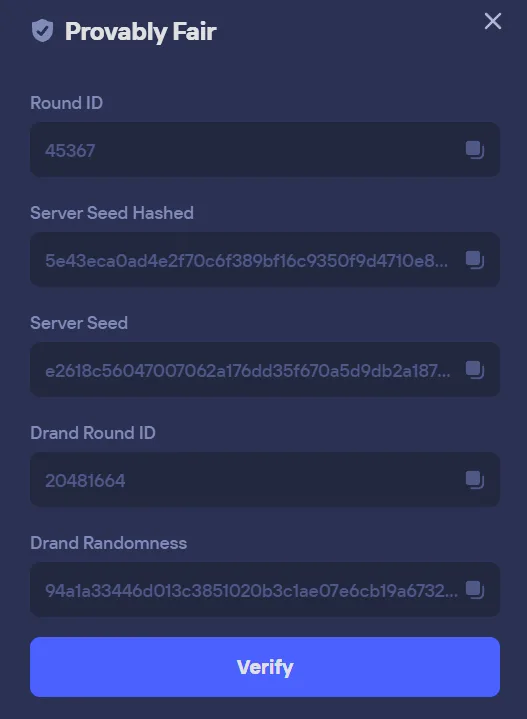
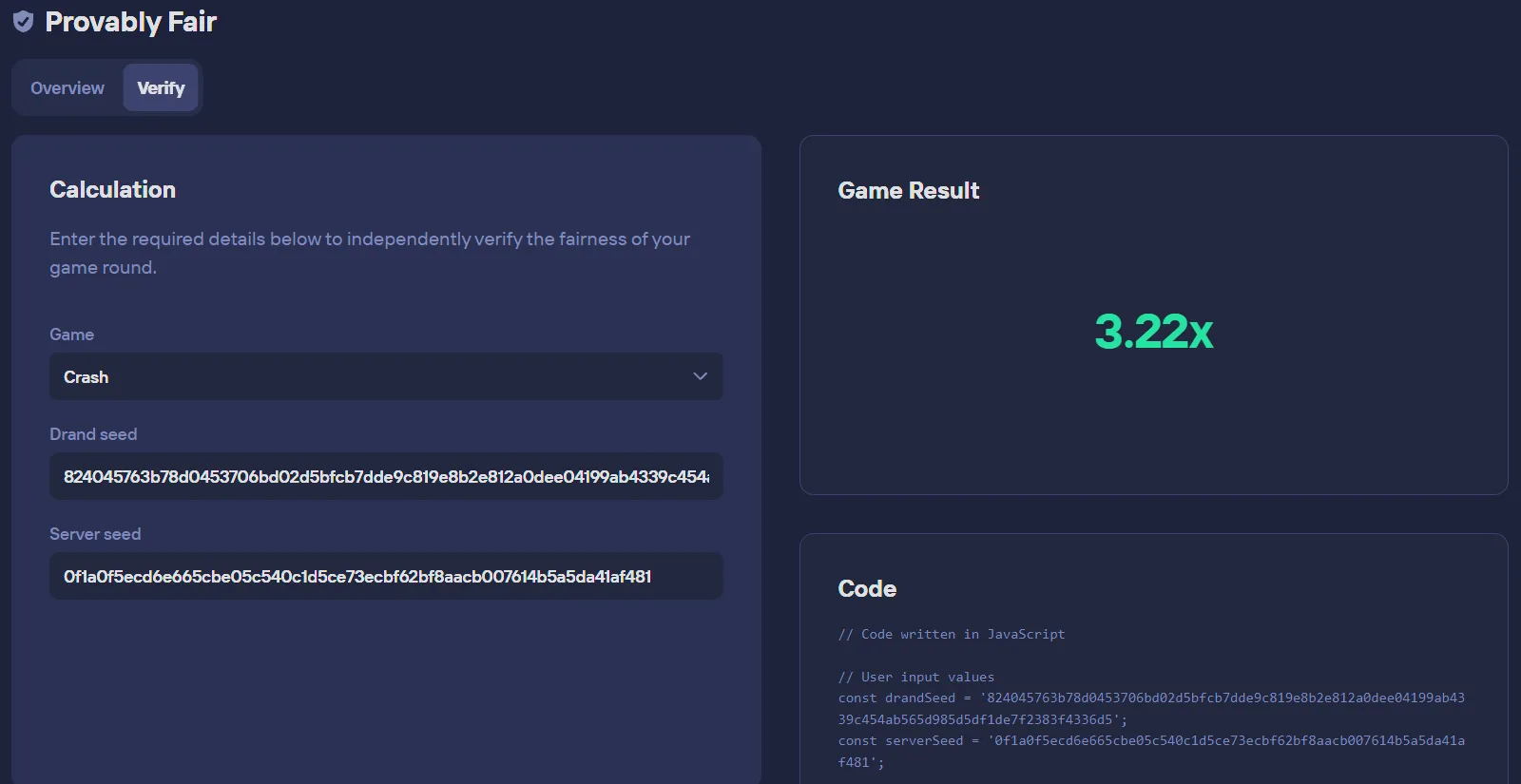
In skin gambling, the scam often lands before the casino does. Mirror domains clone the design, buy ads, spread through Discord,
then harvest Steam logins or reroute you into a fake flow. The fix isn’t “be smart.” The fix is a repeatable routine.
Do this
- Enter sites via bookmarks (not search results, not DMs).
- Check the exact domain (typos, extra hyphens, odd TLDs are the classic tells).
- Use a separate browser profile for gambling links if you want maximum hygiene.
- Multiple redirects before landing? Treat it as suspicious.
Avoid this
- “Bonus code” aggregator links you didn’t verify.
- Discord DMs claiming “official support” with urgent instructions.
- Random mirror lists (“new domain because old one blocked”).
- Logging in while distracted, tired, or tilted.
Habit worth building: search ProvablySmart + the platform name first, then click through from our directory/review page.
It lowers your odds of hitting a mirror through paid ads.
Phase 2: Steam account hardening (inventory protection basics)
Your Steam account is the vault. If the vault is weak, every other “safety tip” is coping.
No platform — however verifiable its game outcomes — protects an account that’s already compromised.
Vault rules
- Use Steam Guard / 2FA and keep recovery methods secure.
- Use a unique password for Steam (reused nowhere).
- Lock down your email account (email compromise = Steam compromise).
- Review login activity regularly if you’re active in skins.
Common mistakes
- Logging in on sketchy PCs / shared machines.
- Clicking “trade verification” links from strangers.
- Installing random browser extensions tied to “skin tools.”
- Assuming a verified-looking avatar = a real bot.
This page doesn’t replace Steam’s official security guidance. The point: treat Steam like a bank, not a game menu.
Phase 3: Trade bot verification (the “wrong bot” disaster)
The worst skin losses are silent ones: you confirm a trade, it looks normal, and the bot was never the site’s bot.
Visuals can be cloned. Names can be cloned. Verification habits are the only defense that survives cloning.
Before you confirm any trade
- Confirm the trade partner identity using the platform’s official, clearly documented method.
- Double-check the bot/account details match what the platform shows in your logged-in wallet/trade screen.
- Review the item list carefully: watch for “similar-looking” items and valuation swaps.
- If anything changes mid-flow, cancel and restart from bookmarks.
Red flags during a trade
- Urgency language: “confirm now or you’ll be banned” / “last chance” / “support needs it now.”
- Requests to “verify” by sending skins to a different account first.
- Trades appearing outside the platform flow you initiated.
- Support asking for screenshots that include sensitive security codes.
The boring truth: if you aren’t 100% sure, don’t confirm. In skins, “maybe” is just “no” with extra suffering.
Phase 4: Deposit safety (pricing, valuation, and “where value disappears”)
Depositing skins isn’t depositing cash. Item value is messy: wear, float, pattern, demand, liquidity, platform pricing rules.
Some platforms price predictably. Some quietly tax you through valuation spreads.
Green signals
- Clear valuation before confirmation (no “surprise” pricing at the final step).
- Transparent fees (if any) and readable deposit rules.
- A clean wallet ledger showing deposits, bets, bonus locks, and withdrawals.
- Reasonable minimum deposit thresholds (not designed to force overspending).
Red signals
- Valuation changes after you commit (or values stay “estimated” until later).
- Confusing wallet balance: locked vs unlocked funds not clearly separated.
- Deposits feel easy, but withdrawal rules are buried or vague.
- “Special promo” requires huge deposits before you can cash out.
If a platform’s valuation feels inconsistent, your best move isn’t arguing — it’s leaving.
Your inventory is your leverage. Don’t trade leverage for friction.
Phase 5: Bonus safety (treat promos as contracts)
Bonus codes aren’t gifts. They’re behavior tools. The trap isn’t the bonus amount — it’s the conditions that shape how you play
and whether you can withdraw. If a bonus forces longer sessions, higher variance, or locked balances, it’s already “working.”
The three terms you must find before accepting
- Wagering requirement: how much you must bet before funds become withdrawable.
- Max cashout: any cap on how much bonus winnings you can withdraw.
- Eligible games / contribution: which modes count toward wagering (and how much).
When to skip a bonus entirely
- If the terms are scattered, vague, or “at our discretion.”
- If you can’t explain the rules in one minute.
- If it pressures you into bigger deposits or longer sessions.
- If it blocks withdrawals unless you grind playthrough.
Considering a promo? Compare on the Bonus Codes page,
then verify the final terms on the operator’s site before you accept. Wagering requirements add variance, not value.
Phase 6: Withdrawal safety (the Exit Test)
A platform can look flawless while you deposit. The exit is where its real rules appear.
That’s why ProvablySmart weighs cashout reality heavily, and why this checklist puts withdrawals front and center.
Do this (Exit Test protocol)
- Withdraw a small amount early on your first session.
- Check minimum/maximum withdrawal rules before you deposit big.
- Understand whether active bonuses lock withdrawals or trigger forfeits.
- Keep your communication and proof (screenshots, timestamps) if anything stalls.
Watch for this (friction patterns)
- “Manual review” every time you withdraw.
- Surprise verification only after you win.
- New limits that weren’t shown clearly before deposit.
- Support loops: “wait” → “processing” → “we can’t help” → repeat.
Exit Test rule: if small withdrawals are messy, big withdrawals will be worse
Phase 7: Dispute + support safety (how to avoid getting bounced)
Support quality isn’t friendliness. It’s whether friction gets solved when money (or skins) are on the line.
When something breaks, you want clear answers, escalation paths, consistent rules — not vague replies that buy time.
How to message support effectively
- Keep it short: what happened, when, and what you need.
- Include transaction IDs or order references if available.
- Ask for the specific policy/term that explains the delay.
- Stay calm. Angry messages get slower outcomes.
What you should never do
- Send passwords, recovery codes, or sensitive account details.
- Accept “support help” via DMs outside the official platform channel.
- Trade skins as part of “verification.”
- Keep depositing to “unlock” a stuck withdrawal.
Want fewer disputes altogether? Pick platforms with clear rules and consistent exits.
That’s exactly what our reviews and evaluation model are built for.
Tilt control (because the safest account still loses to mood)
The most underrated safety risk is emotional play. Fast modes (originals, upgrades, battles) can turn a normal session into a tilt spiral in minutes.
If you’re serious about keeping value, safety isn’t just “don’t get scammed.” It’s also “don’t torch your inventory because you’re chasing.”
Rules that protect you from you
- Set a session budget and a stop-loss before you deposit.
- Limit session time (timers beat willpower).
- Don’t chase losses with bigger bets or “revenge upgrades.”
- If you feel angry, stop. Anger is expensive.
If you’re slipping
- Don’t “fix it” with a bigger deposit.
- Don’t borrow money for gambling.
- Don’t play to escape stress or numb emotions.
- Don’t hide losses from people who care about you.
If gambling stops being fun, use Responsible Gambling.
If you think you got phished (damage control)
First: don’t panic-click. Panic is how scams finish the job.
If you interacted with a mirror domain or accepted something suspicious, treat it as a security incident and lock down the vault.
Immediate actions
- Stop trading and stop logging into new sites until you secure your accounts.
- Change your Steam password and secure the email attached to Steam.
- Review active sessions/devices and remove anything suspicious (where available).
- Disable or remove suspicious browser extensions.
- Double-check your trade confirmations carefully before approving anything.
What not to do
- Don’t keep “testing” the scam link.
- Don’t accept trades “to see what happens.”
- Don’t trust DMs claiming they can recover skins.
- Don’t post sensitive screenshots publicly.
Want to help others? Report the exact URL via Contact.
Mirror reporting is one of the fastest ways to prevent mass losses.
Placeholder image — replace with your own warning graphic if you want.
FAQ
Usually not the games themselves — it’s the ecosystem around them: mirror domains, fake bots, rushed trade confirmations,
and unclear withdrawal rules. The best defense is a repeatable routine: bookmark domains, verify bots, and test small withdrawals early.
Mirrors often look identical to the real site but use a slightly different domain (typo, extra word, odd extension).
If you didn’t open it from a bookmark or a trusted directory page, treat it as suspicious.
If anything feels off, close the tab and re-open from bookmarks.
No. Bonuses can lock withdrawals behind wagering or max cashout rules. Treat promos as contracts.
If you can’t quickly find wagering, max cashout, and eligible game contribution rules, skip the bonus.
Simple: withdraw a small amount early on a new platform to prove the cashout path works.
If small withdrawals are slow, inconsistent, or “mysteriously reviewed,” don’t scale your deposits.
Start with Reviews and the methodology on How We Evaluate.
We weigh cashout reality, trade safety signals, and verifiability — not hype.
18+ only. Gambling can be addictive. If it stops being fun, step away and use Responsible Gambling.
{
“@context”: “https://schema.org”,
“@type”: “FAQPage”,
“mainEntity”: [
{
“@type”: “Question”,
“name”: “What’s the biggest risk in skin gambling?”,
“acceptedAnswer”: {
“@type”: “Answer”,
“text”: “The biggest risks are often outside the games: mirror domains, fake bots, rushed trade confirmations, and unclear withdrawal rules. Bookmark domains, verify trade partners, and test small withdrawals early.”
}
},
{
“@type”: “Question”,
“name”: “How do I know if a site is a mirror domain?”,
“acceptedAnswer”: {
“@type”: “Answer”,
“text”: “Mirror domains often copy the design but use a slightly different URL. If you didn’t open it from a bookmark or trusted directory page, treat it as suspicious. If anything feels off, close the tab and re-open from bookmarks.”
}
},
{
“@type”: “Question”,
“name”: “Should I always use bonus codes?”,
“acceptedAnswer”: {
“@type”: “Answer”,
“text”: “No. Bonuses can lock withdrawals behind wagering requirements or max cashout rules. Treat promos as contracts. If terms are unclear, skip the bonus.”
}
},
{
“@type”: “Question”,
“name”: “What is the Exit Test?”,
“acceptedAnswer”: {
“@type”: “Answer”,
“text”: “Withdraw a small amount early on a new platform to prove the cashout path works. If small withdrawals are inconsistent or heavily delayed, don’t scale deposits.”
}
},
{
“@type”: “Question”,
“name”: “Where do I see which sites are safest?”,
“acceptedAnswer”: {
“@type”: “Answer”,
“text”: “Start with the Reviews page and the How We Evaluate methodology. ProvablySmart prioritizes cashout reality, trade safety signals, and verifiability over marketing hype.”
}
}
]
}