
Is Online Gambling Legal in Europe?
Is Online Gambling Legal in Europe?
Legality across Europe is more uniform than most people think. Of the 50 countries on the continent, 42 have legalized online gambling in some form. Four prohibit it or restrict it so heavily that the practical answer is no. The rest sit in a patchwork of national licenses, state monopolies, and tolerated foreign access.
This is not legal advice. If your country has strict prohibitions, check the current law before you act.
Current Overview of Online Gambling Legality in Europe
How Does This Compare to 0% House Edge Protocols?
Audited 100% RTP
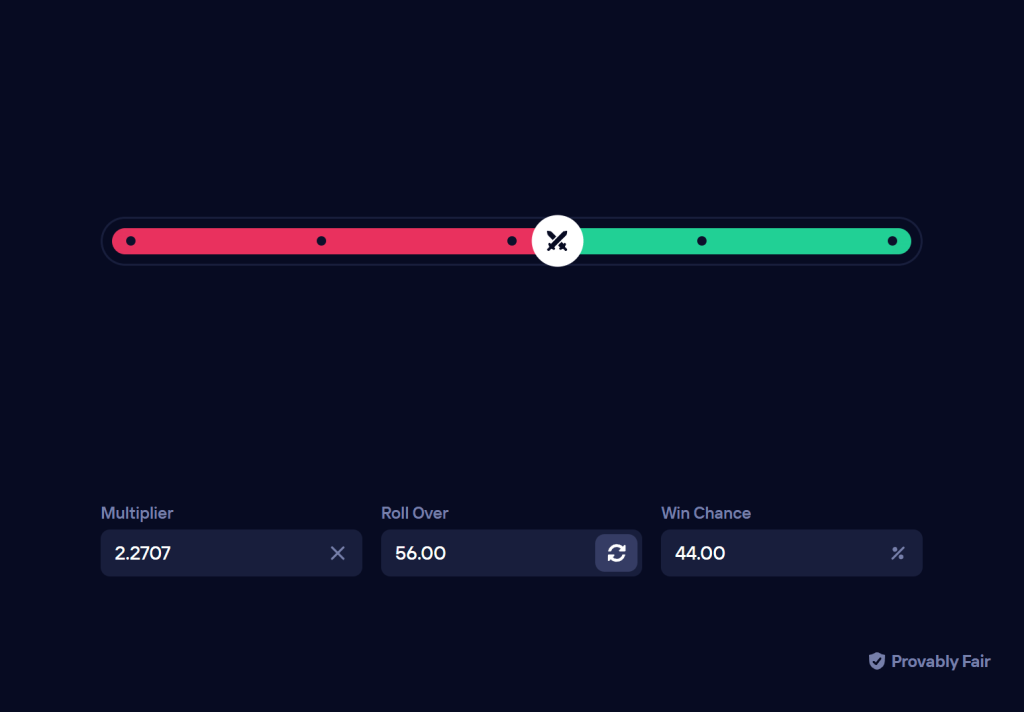
Instead of standard 1.00% to 4.00% casino house margins, compare with mathematically verified 100% RTP Originals (0.00% House Edge) on Duel Casino:
- Europe is home to 50 countries, 44 of which have their capital city on the continent.
- 42 countries have legalized online gambling in some form.
- 4 countries prohibit online gambling entirely or impose highly restrictive rules: Iceland, Albania, Kosovo, and Vatican City.
- The European online gambling market is one of the largest in the world, with estimated annual revenue exceeding €22 billion.
- The EU has no unified gambling regulation. Each country applies its own laws within broader EU principles, creating a patchwork. Malta and the UK are the most visible operator hotspots.
People gamble online in every country listed below, including the ones that prohibit it. Whether local law is enforced is a separate question.
Legal Status Is Not a Fairness Guarantee
A license identifies the regulator. It does not prove that the random number generator is honest or that the return-to-player figures match the real game math. Provably fair tools let you verify individual outcomes after the fact. That verification is useful. It does not replace legal advice, and it does not change the house edge.
If your jurisdiction blocks a casino, that is a legal problem, not a math problem. Verify the legal status first, then verify the game results.
Country by Country
Albania
Status: Only online sports betting is allowed. Other forms of online gambling are illegal, and police can prosecute players.
Casino names cited in the source: none. The source advises against playing from Albania.
Andorra
Status: Online gambling is legal and regulated under Law 4/2021.
Casino names cited in the source: Bets.io
Austria
Status: Win2Day, a state monopoly, is the only licensed online operator for casino and poker games. Austrian law does not prohibit players from accessing foreign-licensed gambling sites.
Casino names cited in the source: Bets.io
Belarus
Status: Online gambling is fully legalized. Players must be over 21, and casinos must hold a valid license.
Casino names cited in the source: Bets.io
Belgium
Status: The legal gambling limit in Belgium is set to 21.
Casino names cited in the source: Bspin, Bets.io
Bosnia and Herzegovina
Status: Online gambling was legalized nationwide in 2011. A brief attempt to ban foreign online gambling sites was reversed after public opposition.
Casino names cited in the source: Coinplay
Bulgaria
Status: The most recent changes, effective May 2026, include stringent restrictions on gambling advertising across all media and a rise in minimum capital requirements for certain gambling licenses. Operators must also contribute to a fund for the prevention and treatment of gambling addiction.
Casino names cited in the source: Coinplay
Croatia
Status: The legal gambling age is 18. Winnings from gambling are taxable at varying rates depending on the amount, starting at 10% for smaller winnings.
Casino names cited in the source: Coinplay
Czechia
Status: Czechia has a well-established, EU-compliant regulatory framework. In 2026, live dealer games were added to the list of permitted activities.
Casino names cited in the source: TrustDice
Denmark
Status: The Danish Gambling Authority oversees all gambling operations. Online operators must obtain a license and pass rigorous application and compliance requirements.
Casino names cited in the source: Bspin
Estonia
Status: The Estonian Tax and Customs Board (ETCB) licenses and oversees all gambling operations. Online gambling was legalized in 2010.
Casino names cited in the source: Coinplay
Faroe Islands
Status: The Faroe Islands do not have a distinct gambling regulatory body. They fall under the Danish regulatory framework managed by Spillemyndigheden.
Casino names cited in the source: Bets.io
Finland
Status: Finland has a monopoly system where Veikkaus controls gambling services. The system is set to change, with new legislation expected to take effect by 2027.
Casino names cited in the source: TrustDice
France
Status: Online gambling was legalized in 2010 and is supervised by ARJEL.
Casino names cited in the source: Bets.io
Germany
Status: As of July 2021, online gambling in Germany is permitted nationwide.
Casino names cited in the source: Bets.io
Gibraltar
Status: The Gambling Act 2005 provides the legislative basis under which the Gambling Commissioner oversees all operations.
Casino names cited in the source: Bets.io
Greece
Status: The Hellenic Gaming Commission regulates gambling in Greece and ensures that operators meet regulations to offer services legally.
Casino names cited in the source: Coinplay
Hungary
Status: Online casinos must be owned by or partnered with land-based casinos. State-owned Szerencsejáték Zrt controls both online and offline sports betting.
Casino names cited in the source: TrustDice
Iceland
Status: All forms of gambling, including online gambling operated within Iceland, are prohibited. Residents can legally access foreign gambling sites without fear of prosecution.
Casino names cited in the source: Coinplay
Ireland
Status: The Gambling Regulatory Authority of Ireland oversees all gambling activities, with a focus on public safety.
Casino names cited in the source: Bets.io
Italy
Status: Gambling is allowed and regulated by the Agenzia delle Dogane e dei Monopoli (ADM).
Casino names cited in the source: TrustDice
Kosovo
Status: Online gambling is prohibited, but there is no enforcement against individuals participating in it.
Casino names cited in the source: Bets.io
Latvia
Status: Online gambling is well-regulated. You can start gambling in regular casinos at 18, but online casinos require you to be 21.
Casino names cited in the source: Coinplay
Liechtenstein
Status: Online gambling is legal, but online casinos cannot obtain licenses there. The government extended its ban on processing online gambling applications until 2028.
Casino names cited in the source: Bets.io
Lithuania
Status: The country updated its gambling laws in 2016 to legalize online gambling. From July 2022, operators without land-based establishments can also offer online gambling. Players must be 21.
Casino names cited in the source: Coinplay
Luxembourg
Status: Online gambling falls under the broad Gambling Law, allowing residents to access international online gambling platforms without repercussions.
Casino names cited in the source: Bets.io
Malta
Status: Malta has a sophisticated set of gambling regulations managed by the Malta Gaming Authority.
Casino names cited in the source: Bets.io
Moldova
Status: The state monopolizes most forms of gambling through the National Lottery of Moldova. Residents can still access foreign gambling sites. Online casinos and sports betting are permitted with specific tax regulations.
Casino names cited in the source: TrustDice
Monaco
Status: The gambling industry is legal and well-regulated.
Casino names cited in the source: Bets.io
Montenegro
Status: Online gambling was legalized in 2011. The legal gambling age is 18.
Casino names cited in the source: Bets.io
Netherlands
Status: Gambling is managed by the Kansspelautoriteit (KSA), which oversees licensing and compliance. Online gambling has been fully legal since 2021.
Casino names cited in the source: Bets.io
North Macedonia
Status: Online gambling was legalized in 2020 due to the pandemic.
Casino names cited in the source: Coinplay
Norway
Status: The Norwegian gambling market is tightly controlled. The state monopoly restricts online casinos and other gambling activities to Norsk Tipping and Norsk Rikstoto.
Casino names cited in the source: TrustDice
Poland
Status: Online gambling is restricted mainly to state-monopolized entities. Licensed sports betting and lotteries are allowed; other forms are prohibited.
Casino names cited in the source: TrustDice
Portugal
Status: Online gambling is regulated by the Serviço de Regulação e Inspeção de Jogos (SRIJ). The regulation was established in 2015.
Casino names cited in the source: TrustDice
Romania
Status: Online gambling is regulated by the National Gambling Office (ONJN).
Casino names cited in the source: TrustDice
San Marino
Status: Online gambling is regulated by the Agenzia delle Dogane e dei Monopoli (ADM). Players can gamble online without legal repercussions.
Casino names cited in the source: TrustDice
Serbia
Status: Online gambling is regulated under the Law on Games of Chance. Anyone over 18 can gamble online.
Casino names cited in the source: Coinplay
Slovakia
Status: Online gambling is regulated by the Ministry of Finance.
Casino names cited in the source: Bets.io
Slovenia
Status: Online operators must have a land-based presence in Slovenia and a concession to operate.
Casino names cited in the source: Coinplay
Spain
Status: Online gambling is regulated nationally under the Gambling Act of 2011.
Casino names cited in the source: TrustDice
Sweden
Status: Online gambling is regulated by the Swedish Gambling Act (2018).
Casino names cited in the source: TrustDice
Switzerland
Status: Online gambling is regulated by the Federal Gambling Act enacted in 2019.
Casino names cited in the source: Bets.io
UK
Status: Online gambling is regulated by the UK Gambling Commission (UKGC).
Casino names cited in the source: Bets.io
Ukraine
Status: Online gambling became legal in 2020 after an 11-year ban. Foreign operators face restrictions, and casinos connected to Russia in any way cannot open.
Casino names cited in the source: Coins.Game
Vatican City
Status: Online gambling is prohibited. The source groups it with Iceland, Albania, and Kosovo as an outright ban and notes that consequences there are more moral than legal.
Casino names cited in the source: none
What to Do With This Information
Check the regulator, not the ad. If a casino is licensed in a jurisdiction that accepts your country, that is a legal green light. It still does not tell you whether the game is fair. Run the verification tools. Check the house edge. Set a bankroll limit. Legal status is the first filter, not the last.
Legal status changes. Regulators change. The math of provably fair doesn’t. Verify the current rules before you deposit, and verify the results after you play.